

Introduction
According to Jean Hailes, about three-quarters of women experience symptoms that affect daily life around menopause. Many also notice new aching joints, sore hips or a stiff back and wonder if menopause is to blame. Menopause and joint pain are linked, because falling hormone levels can influence cartilage, bone, ligaments and pain pathways.
However, pain around midlife is rarely due to hormones alone. Osteoarthritis, old injuries, weight, sleep, stress and work demands often sit alongside menopause and joint pain. Chiropractic care is not a hormone treatment, does not replace hormone replacement therapy (HRT), and is not a cure for menopause. It may, however, offer gentle, evidence-informed support for musculoskeletal pain, movement, posture and exercise guidance as part of a broader care plan.
This article explains how menopause can affect joints, how to tell if symptoms might relate to other conditions, and what a careful assessment at Spinal Care involves. You will also find self-management ideas, red flags that need GP review, and how chiropractic can sit inside a broader, GP-led plan for menopause and joint pain.
Key Takeaways
Menopause can bring a confusing mix of symptoms, and joint pain is just one of them. These short points highlight the main ideas that the rest of the article explores in more depth. Reading them first can help you decide which sections matter most for your situation.
- Menopause Can Contribute To Joint Pain, But It Is Not The Only Cause
- Hormones, Sleep, Stress And Load All Influence Pain
- Careful Assessment Helps Separate Menopause Effects From Other Conditions
- Chiropractic Offers Gentle, Non-Surgical Support For Musculoskeletal Pain
- Work With Your GP And Health Team For Persistent Or Concerning Symptoms
Taken together, these ideas show why menopause and joint pain need a joined-up approach that includes medical care, self-care and, for some women, chiropractic support.
How Are Menopause And Joint Pain Connected?
Menopause and joint pain are connected through hormonal changes, ageing tissues and daily physical load on the body. Falling oestrogen and progesterone influence cartilage, bone density, ligaments, muscles and how the nervous system processes pain. At the same time, age-related wear and tear, previous injuries and lifestyle factors often add extra strain.
According to the Australian Institute of Health and Welfare, around 1 in 11 Australians live with osteoarthritis, and many are women in midlife or older. When these existing joint changes meet the hormone shifts of perimenopause, symptoms can flare. Clinics such as Spinal Care see this often in women with long-standing lower back pain, sciatica or neck pain whose symptoms worsen around their late 40s or 50s.
Perimenopause describes the years leading up to the final menstrual period, when hormones fluctuate. Menopause is diagnosed after 12 months without a period, and the average age in Australia is about 51 years, according to Jean Hailes. Across this time, oestrogen and progesterone levels fall, which may reduce lubrication inside joints, increase inflammation and lower pain thresholds for some women.
These hormonal shifts blend with other factors such as body weight, sleep quality, stress, work demands and exercise habits. For that reason, menopause and joint pain often need a wide view, not a single-focus answer. A careful assessment helps separate possible hormone-related aching from osteoarthritis, inflammatory arthritis, osteoporosis, tendinopathy or nerve compression, given that the Global burden and trends of musculoskeletal disorders in postmenopausal women have risen substantially over recent decades.
What Do Oestrogen And Other Hormones Have To Do With Joint Pain?
Perimenopause and menopause involve a steady drop in oestrogen and progesterone. Oestrogen helps maintain collagen, cartilage, synovial fluid and bone density, and research on Menopause-induced 17β-estradiol and progesterone loss shows it also increases senescence markers and cartilage degeneration when levels decline. When levels fall, cartilage can thin, synovial fluid can change, and bone loss can speed up.
Healthy Bones Australia notes that women can lose up to around 2% of their bone mass each year in the early post-menopausal period, raising the risk of spinal and hip fractures, a pattern supported by recent research on Patterns of Bone Mineral density loss at multiple skeletal sites following menopause. Progesterone also influences the nervous system, and its decline may contribute to more widespread aches and disturbed sleep. As both hormones fall, pain thresholds may drop and the nervous system may become more sensitive in some women.
Some women report less joint pain when they use menopausal hormone therapy (also called HRT). Research findings are mixed: some studies show modest benefit for joint pain, while others show little difference compared with placebo. HRT is prescribed mainly for troublesome vasomotor symptoms (such as hot flushes and night sweats), not as a stand-alone treatment for menopause and joint pain. Decisions about HRT belong with a GP or menopause specialist. Chiropractic care does not alter hormone levels and is not a treatment for menopause itself.
“Menopausal hormone therapy is considered primarily for hot flushes, night sweats and other vasomotor symptoms. Musculoskeletal pain may improve in some women, but it should not be the only reason for prescribing HRT.” – Adapted from guidance by Jean Hailes and Australasian Menopause Society
Common Patterns Of Menopause Joint And Muscle Pain
Many women noticing menopause and joint pain describe a similar pattern. Joints can feel stiff or “rusty” first thing in the morning, then ease with gentle movement. After sitting at a desk, driving or watching television, getting up may feel slow and uncomfortable.
Common areas include:
- Aching hips in menopause
- Sore knees on stairs
- Stiff hands and wrists
- Neck and shoulder tightness
- Lower back pain that flares after busy days
Some women notice perimenopause achy joints that seem to move from one area to another, and research on Effects of Equol on hand osteoarthritis in perimenopausal women illustrates how hormone-related changes can contribute to distinct joint symptoms even when imaging shows only mild findings.
Night pain is frequent. Hot flushes and joint discomfort can break sleep, and poor sleep in turn makes pain feel worse. The Sleep Health Foundation notes that ongoing sleep loss can heighten pain sensitivity and reduce coping. Symptoms also tend to flare with stress, heavy workloads, illness or sudden changes in physical activity. Because similar symptoms occur with osteoarthritis, tendinopathy, bursitis or inflammatory arthritis, assessment is important rather than assuming menopause alone is responsible.
What Symptoms Suggest Menopause-Related Joint Pain Versus Other Conditions?
Menopause and joint pain often overlap with other musculoskeletal problems, so symptoms rarely point to a single cause. Many women have a mix of mild osteoarthritis, old injuries, weight changes and hormonal shifts, all feeding into one picture. Self-diagnosis can miss serious issues or overlook treatable conditions.
Research from Pain Australia suggests that 1 in 5 Australians live with chronic pain, and midlife women are strongly represented. Some of that pain will link to menopause-related changes, while some relates to conditions such as osteoarthritis, rheumatoid arthritis, spinal disc problems or fibromyalgia. A good starting point is to think about:
- Where the pain sits
- What makes it better or worse
- How long morning stiffness lasts
- Whether there is visible swelling, heat or redness
Certain patterns suggest wear-and-tear arthritis, while others point toward inflammatory disease or nerve compression. Spinal red flags, like sudden severe back pain in a woman with osteoporosis risk, need prompt medical review rather than chiropractic care alone. Chiropractors at Spinal Care assess these features and refer to GPs, rheumatologists or emergency services when symptoms do not fit a straightforward mechanical picture.
Symptom Guide: Typical Menopause Joint And Muscle Aches
Typical peri or menopause-related aches often feel widespread and fluctuate over weeks or months. Many women describe aching bones or muscles that feel worse after rest, with hips, knees, hands, neck and shoulders often involved. Perimenopause and joint pain can also include aches that “wander” between regions, with relatively normal scans.
Clinicians sometimes use the phrase “arthralgia of menopause” to describe joint pain around this life stage. It is a descriptive label, not a diagnosis on its own, and does not rule out other problems such as osteoarthritis or inflammatory arthritis. The table below gives examples of how menopause and joint pain might present.
| Region | Typical Sensation | Possible Contributors |
|---|---|---|
| Hips | Deep aching, worse when lying on side or after walking | Hormone changes, gluteal tendon issues, bursitis, early arthritis, lower back referral |
| Knees | Stiffness, grinding, pain on stairs or squatting | Ageing cartilage, weight, muscle weakness, previous injuries, hormone shifts |
| Hands And Wrists | Morning stiffness, weak grip, occasional swelling | Early osteoarthritis, repetitive tasks, fluid shifts, carpal tunnel, inflammatory arthritis |
| Spine And Neck | Tightness, catching, pain after sitting or lifting | Disc wear, facet joint irritation, posture, desk work, menopause-related sensitivity |
If these patterns sound familiar, it still makes sense to seek a proper assessment. Similar symptoms can appear with autoimmune conditions, nerve problems or fractures, which need medical treatment.
When Might It Be Osteoarthritis, Inflammatory Arthritis Or Something Else?
Some features suggest osteoarthritis rather than hormone-related aching alone. These include:
- Pain that worsens with use and eases with short rest
- Brief morning stiffness (often under 30 minutes)
- Bony bumps around joints
- Creaking or grinding sensations
Knees, hips, the base of the thumb and the big toe are common sites.
Inflammatory arthritis, such as rheumatoid arthritis, often looks different. Joints may feel hot, swollen and very tender, with morning stiffness lasting more than an hour. Both hands or wrists can be affected in a symmetrical pattern, and there may be fatigue, low-grade fevers or weight loss. Blood tests and referral to a rheumatologist are important when these signs appear.
Spinal red flags include:
- New severe back pain after a minor strain in a woman with osteoporosis risk
- Sciatica with marked weakness or numbness
- Loss of bladder or bowel control
Other warning signs include a sudden very painful, hot, red joint with fever, unexplained weight loss, night sweats or a history of cancer with new spinal pain.
If any of these patterns occur, a GP should be the first stop. Chiropractors at Spinal Care routinely send patients for GP review, imaging or specialist opinion when symptoms suggest more than straightforward menopause and joint pain. This shared approach helps avoid delays in diagnosing conditions that respond best to early medical treatment.
How Do Sleep, Stress And Lifestyle Load Influence Menopause Joint Pain?
Menopause and joint pain sit inside a wider picture that includes sleep, mood, stress and physical load on the body. Hormonal changes can disturb sleep and mood, while busy midlife roles often involve desk work, caring duties and sometimes sport or manual labour. All of these factors shape how strongly the nervous system reacts to pain.
Poor sleep increases inflammatory chemicals and lowers pain thresholds, so the same joint problem can hurt more after a run of bad nights. Ongoing stress and low mood can also make pain feel louder and harder to manage. On the other side, small changes to workload, exercise and pacing during the day can reduce strain on sore joints.
At Spinal Care, chiropractors talk with women about how work, sport, home tasks and caring responsibilities interact with menopause and joint pain. This helps match treatment and self-care ideas to real life, rather than treating the painful joint in isolation.
The Menopause Pain Loop: Sleep, Mood And Central Sensitisation
Many women describe a loop where pain disrupts sleep, poor sleep worsens pain, and mood drops along the way. Hot flushes, night sweats, joint aches and worrying thoughts can all wake you or keep you from falling asleep. Over time, this can sensitise the nervous system so it reacts strongly to minor triggers.
Researchers call this central sensitisation, where the spinal cord and brain become “on high alert”. Signals that once felt like mild stiffness may now feel like sharp pain, and aches can spread beyond the original joint. This does not mean the pain is imagined. It reflects real changes in how the nervous system processes signals from joints, muscles and tissues.
Addressing this loop often involves better sleep habits, simple relaxation methods and, when needed, support from a GP or psychologist. Approaches such as cognitive behavioural strategies have good evidence for chronic pain. Dr George Hardas at Spinal Care holds a Master of Science in Medicine with a specialisation in this area from the University of Sydney, with research published in the journal Spine. This blend of neuroscience, psychology and manual care can be useful for women with menopause and joint pain who feel stuck in a flare cycle.
Everyday Load: Work, Sport And Home Duties In Midlife
Daily load on joints matters just as much as hormones. Prolonged sitting at a computer can irritate the neck, upper back and lower spine. Long periods of standing, lifting children or caring for older relatives can strain hips, knees and shoulders. Old injuries, such as ankle sprains or pregnancy-related pelvic pain, may reappear when combined with menopause and joint pain.
Sports-active women often notice slower recovery, more tendon niggles and more stiffness after regular training. Keeping active is still important, but:
- Training volume, intensity and type may need adjusting
- Adding strength work for hips, thighs, core and shoulders can protect joints
- Slightly reducing impact or frequency can give tissues time to recover
WorkCover NSW, DVA and Medicare Chronic Disease Management plans add another layer for many women. At Spinal Care, clinicians discuss work tasks, sport, commuting and home duties when planning care. They may suggest movement breaks for desk workers, lifting tips, exercise progressions or referrals to physiotherapists and exercise physiologists where extra rehabilitation is helpful.
What Does A Chiropractic Assessment For Menopause-Related Joint Pain Involve?
A chiropractic assessment for menopause and joint pain focuses on understanding the whole story, not just one sore joint. It helps clarify whether pain is mainly mechanical, driven by menopause-related sensitivity, linked to arthritis, or possibly something more serious. This careful approach guides safe treatment and highlights when medical tests or referrals are needed.
In clinics such as Spinal Care in Kogarah and Ingleburn, an initial visit usually includes:
- A detailed conversation about your health and symptoms
- A physical examination
- Discussion about whether your GP or other providers should be involved
Funding pathways such as Medicare Chronic Disease Management plans, DVA Gold Cards and WorkCover require clear documentation, which also supports good clinical reasoning.
History, Examination And When Imaging Or Referral Is Needed
History-taking explores menstrual and menopause symptoms, pregnancies, past injuries, surgeries, long-term conditions and current medications, including HRT. The chiropractor will ask where your pain sits, how it started, what makes it better or worse, and how long stiffness lasts after waking. Night pain, weight loss, fevers or neurological symptoms such as numbness or weakness are noted carefully.
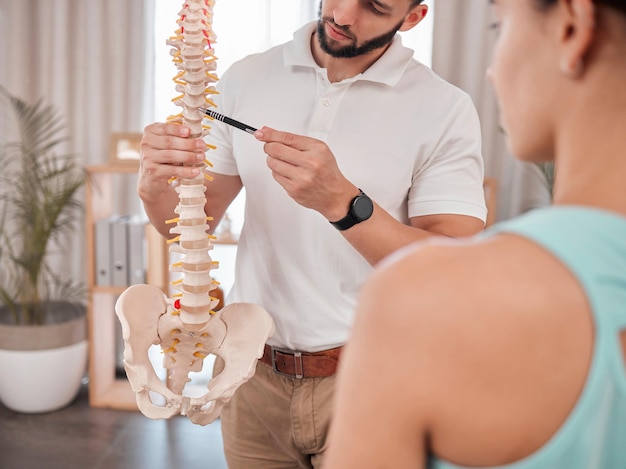
Physical examination looks at posture, spinal and limb movement, joint range of motion, muscle strength and flexibility. Simple neurological tests check reflexes and sensation if there are signs of nerve involvement such as sciatica. The aim is to see how joints, muscles and the nervous system behave together, and how this fits with menopause and joint pain.
Imaging or further tests may be suggested when red flags appear or when the picture does not match a straightforward mechanical problem. This can include:
- X-rays
- MRI
- Blood tests
- DEXA bone density scans
- Referral to a rheumatologist or orthopaedic specialist
Chiropractors at Spinal Care work alongside GPs rather than in place of them, so chiropractic care fits inside a broader medical plan.
Why Low-Force, Gentle Techniques Matter After Menopause
After menopause, the rates of osteoarthritis and osteoporosis rise, especially in women, and the 2024 Royal Australian College of General Practitioners and Healthy Bones Australia guideline for osteoporosis management underscores the importance of fracture prevention strategies in this population. Thinner bones and sensitive joints may not tolerate high-force spinal manipulation, and studies on Associations between body composition and bone loss in early postmenopausal women highlight how tissue changes at this life stage demand adapted clinical approaches.
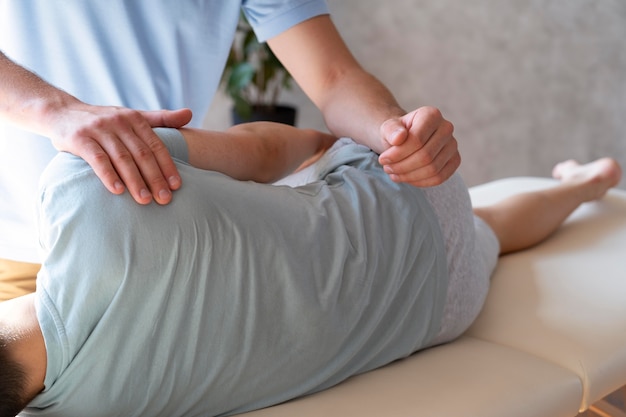
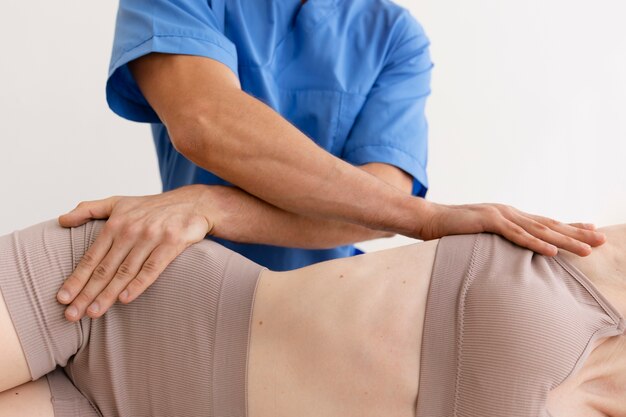
For this reason, Spinal Care focuses on low-force, gentle options. Activator Methods® uses a small hand-held instrument to deliver precise, light adjustments without twisting or cracking. Soft tissue therapy helps ease tight muscles and improve blood flow around sore joints. Non-surgical spinal decompression with the Spine MT Core system can relieve some disc-related lower back and sciatic pain by gently stretching the spine.
Nervous system desensitisation and graded exposure help women move again without overwhelming flare-ups, especially when central sensitisation plays a role. These approaches suit elderly women, those with fragile bones and anyone who prefers a gentler style. Treatment plans are individual, regularly reviewed and adjusted according to comfort, progress and safety.
How Can Chiropractic Care Help With Menopause Joint And Muscle Pain?
Chiropractic care can help with the mechanical side of menopause and joint pain. It addresses stiffness, reduced joint movement, muscle tension, postural strain and movement patterns that overload certain areas. It does not treat menopause itself, change hormone levels or cure inflammatory arthritis.
When used alongside GP care, exercise and, where appropriate, medications such as HRT or pain relief, chiropractic can form part of a non-surgical plan. The focus is on better movement, less mechanical stress on joints, improved confidence and practical strategies for daily life. This is the guiding approach at Spinal Care, which combines manual care, education and research-informed rehabilitation.
What Benefits Can Gentle Chiropractic Offer During Menopause?
For many women, menopause and joint pain show up as a stiff lower back, aching hips, sore neck or tense shoulders. Gentle chiropractic techniques aim to restore better movement in these areas so load is shared more evenly. When spinal and pelvic joints move more freely, everyday tasks such as getting out of bed, driving, lifting or working at a desk may feel easier.
Soft tissue therapy can reduce muscle guarding that often builds around painful joints, especially when stress and poor sleep are present. This may lessen that “tight band” feeling around the shoulders or the deep ache across the lower back. Education about posture and body mechanics helps women change how they sit, lift and exercise in ways that reduce strain.
Nervous system-focused approaches, including graded exposure and pain education, can help calm overactive pain pathways. Some women notice early improvements in stiffness or movement within a few visits, while long-standing or complex problems usually need a longer, stepped plan. Chiropractic is not a cure for menopause or inflammatory arthritis, but it can be a useful conservative option for the musculoskeletal part of menopause and joint pain.
Spinal Care’s Approach In Sydney: Safety, Funding And Realistic Goals
Spinal Care operates clinics in Kogarah and Ingleburn, caring for women across the St George and Macarthur regions of Sydney. The clinics place strong emphasis on older adults, women in midlife, WorkCover clients, DVA Gold Card holders and Medicare Chronic Disease Management patients. Care is grounded in research, including the work of clinic director Dr George Hardas, whose orthopaedic research appears in the journal Spine.
Eligible patients referred under Medicare CDM plans can access bulk-billed chiropractic sessions. Veterans with DVA Gold Cards and workers covered by WorkCover NSW can have approved care for musculoskeletal pain related to service or injury. Private health insurance rebates are also available for many patients.
Communication with GPs and other providers is a core part of the model. Chiropractors update GPs when pain does not settle, when inflammatory disease is suspected, or when questions about medication or HRT arise. Goals are realistic. The focus sits on pain reduction, better mobility, confidence in movement and clear self-management plans, not promises of instant cures for menopause and joint pain.
What Can You Do At Home For Menopause Joint Pain And When Should You See Your GP?
Home strategies play a big role in managing menopause and joint pain. Gentle movement, strength work, sleep routines and joint protection can all reduce day-to-day discomfort. At the same time, some symptoms signal the need for medical assessment, even if you already see a chiropractor or other therapist.
Australian physical activity guidelines from the Department of Health and Aged Care recommend at least 150 minutes of moderate activity each week for adults, plus strength work on two days. Many women in midlife fall short of this, often due to pain or fatigue. The aim is to build toward these targets gradually, in a way that respects current symptoms rather than pushing through severe pain.
A GP remains central when menopause and joint pain are persistent, severe or unusual. They can check for inflammatory markers, autoimmune conditions, bone density, medication interactions and discuss treatments such as HRT, non-hormonal medicines or referrals to rheumatology, pain medicine or physiotherapy. Chiropractors at Spinal Care work alongside this process, not instead of it.
Safe Self-Management: Movement, Sleep And Joint Protection
Regular low-impact activity keeps joints moving and muscles strong. Walking, cycling, swimming or pool-based exercise are good options. Start with short durations that feel manageable, such as 10 minutes, and build up slowly while watching how joints respond the next day. Pushing through sharp or severe pain is not wise, but mild, short-lived discomfort is common when restarting exercise.
Strength training supports joints and bone density. Simple exercises for hips, thighs, core and shoulders using body weight, resistance bands or light weights can help. Professional guidance from a chiropractor, physiotherapist or exercise physiologist is valuable if pain is significant or you are unsure where to start.
Daily habits make a difference:
- Movement “snacks” such as standing up, walking around the house or stretching every 30 to 60 minutes ease stiffness, especially for desk workers
- Before bed, gentle stretches and a warm shower or heat pack can relax tight muscles
- Sleep tips include a cool, dark bedroom, breathable bedding for night sweats, a regular bedtime and simple relaxation such as slow breathing or mindfulness
- Joint protection ideas include supportive footwear, using both hands to carry loads, adjusting desk height and pacing chores with planned rest breaks
Discuss major changes to supplements, diets or intense exercise with your GP or a qualified practitioner first.
When Self-Care Is Not Enough: Getting The Right Help
Self-care has limits, especially when menopause and joint pain are severe or unusual. You should see your GP when:
- Joint pain lasts more than a few weeks
- Pain disturbs sleep most nights
- Pain stops you doing key daily tasks
Red flags needing prompt medical review include:
- Hot, swollen, very tender joints
- Fevers or feeling acutely unwell
- Major morning stiffness lasting longer than an hour
- Rapid worsening of symptoms
- Sudden severe back pain after a small strain, especially with known osteoporosis
- New weakness or numbness in the arms or legs
- Changes in bladder or bowel control
- Unexplained weight loss or night sweats
- A history of cancer with new spinal pain
A GP can organise blood tests, imaging, bone density scans and referrals to rheumatologists, orthopaedic surgeons, pain specialists or physiotherapists when needed. Chiropractors at Spinal Care regularly liaise with GPs and specialists, so that women are not left relying on manual care when their symptoms point toward conditions needing medical treatment as well as mechanical support.
In Summary
Menopause and joint pain often arrive together, but hormones are only part of the story. Falling oestrogen and progesterone can affect cartilage, bone, ligaments and pain pathways, yet age-related changes, past injuries, weight, sleep, stress and workload all add to the picture. Careful assessment helps separate relatively simple menopause-related aching from osteoarthritis, inflammatory arthritis, osteoporosis, nerve compression and other serious conditions, as Osteoporosis and fragility fracture burden data from the Asia Pacific region confirms that women in this demographic carry a disproportionate share of fracture risk.
Gentle, low-force chiropractic care at Spinal Care may help with the mechanical side of menopause and joint pain. By improving spinal and pelvic movement, easing muscle tension and supporting better posture and movement habits, it can sit alongside GP care, medication, HRT where suitable and exercise programs. The clinic’s research-driven approach, including Dr George Hardas’s work in the journal Spine, supports thoughtful, conservative care for women in Sydney.
Self-care around movement, strength, sleep, stress and joint protection plays a long-term role. Small, consistent changes often matter more than short bursts of intense effort. Women across Sydney, including those using Medicare Chronic Disease Management plans, DVA Gold Cards, WorkCover or private health insurance, can access evidence-based chiropractic options. Any red-flag symptoms such as hot, swollen joints, severe back pain, major weakness, fevers or weight loss should prompt timely medical review, rather than waiting for menopause and joint pain to “settle on their own”.
Frequently Asked Questions
Question: Is Joint Pain A Normal Part Of Menopause, Or Should I Be Worried?
Joint and muscle aches are common around menopause, but they are not “all in your head”. Many women notice new stiffness or soreness as hormones change. New, severe, hot or rapidly worsening pain is not normal and needs GP review to check for osteoarthritis, inflammatory arthritis, osteoporosis or other conditions.
Question: Can Chiropractic Care Fix My Hormones Or Replace HRT For Menopause Joint Pain?
Chiropractic care does not change hormone levels and cannot replace HRT or medical treatment. Chiropractors focus on mechanical and neuromusculoskeletal factors such as joint stiffness, muscle tension, posture and movement. Decisions about HRT, other medicines and investigations belong with your GP or a menopause specialist, who can work alongside your chiropractor.
Question: How Long Does It Take To See Improvement In Menopause-Related Joint Pain With Chiropractic?
Timeframes vary widely. Improvement depends on the diagnosis, how long symptoms have been present, overall health and daily load on joints. Some women notice changes in stiffness or movement within a few sessions, while chronic or complex conditions usually need longer-term, stepped care. Spinal Care tracks progress with regular functional reassessment.
Question: Is Chiropractic Safe If I Have Osteoporosis Or Am Worried About Fragile Bones?
Chiropractic can be safe with osteoporosis when techniques are chosen carefully. At Spinal Care, clinicians review DEXA scans and osteoporosis risk factors where available, then use low-force methods such as Activator Methods® and gentle mobilisation. High-force manipulation is avoided when unsafe, and GPs are involved if concerns about bone strength arise.
Question: Should I Stop Exercising If My Joints Hurt More During Perimenopause?
Stopping all activity usually worsens stiffness, weakness and mood. Instead, most women do better by modifying exercise type, intensity and frequency. Low-impact activities and strength work are often better tolerated than high-impact sport. If pain limits exercise, seek guidance from a chiropractor, physiotherapist or exercise professional, especially if you are sports-active.
Question: When Should I See A GP Or Specialist Instead Of Just A Chiropractor For Menopause Joint Pain?
You should see a GP urgently for hot, swollen joints, major weakness or numbness, bladder or bowel changes, unexplained weight loss, fevers, recent trauma or sudden severe pain. Persistent pain beyond a few weeks, night pain or suspected inflammatory arthritis also warrant medical review. Spinal Care chiropractors regularly refer and liaise with GPs, rheumatologists and other specialists when these features are present.