

Sciatica-like symptoms can feel like sharp, burning, tingling, or radiating pain that travels from the lower back, hip, or buttock into the leg. While many people assume this is always true sciatica, several conditions can mimic sciatic nerve pain, including piriformis syndrome, disc irritation, spinal joint issues, or muscle-related referred pain.
This guide explains what sciatica-like symptoms can mean, how they differ from true sciatica, when to seek help, and how Spinal Care can assess the real cause of your discomfort.
Key Takeaways
-
Sciatica-like symptoms often involve irritation or compression of nerves affecting the lower back, buttock, hip, or leg.
-
Distinguishing true sciatica from other mimicking conditions is vital for effective treatment.
-
Common symptoms include radiating pain, tingling, numbness, burning sensations, or weakness down the leg.
-
Early assessment and conservative care can prevent symptoms from becoming persistent.
-
Certain “red flag” symptoms require immediate medical attention.
Jump to section
- What Are Sciatica-Like Symptoms and Why Do They Matter?
- What Conditions Can Mimic Sciatica Symptoms? (Pseudosciatica Explained)
- How Do Lifestyle and Age Influence Sciatica-Like Pain?
- When Should You Get Sciatica-Like Symptoms Checked? (Red Flags)
- Spinal Care’s Approach to Diagnosing and Treating Sciatica-Like Symptoms
- Practical Self-Care Tips for Managing Sciatica-Like Discomfort
- Finding Lasting Relief from Sciatica-Like Symptoms
- Frequently Asked Questions
What Are Sciatica-Like Symptoms and Why Do They Matter?
Experiencing a strange, persistent pain that travels from your lower back down your leg can be unsettling. You might wonder if it’s a pulled muscle or something more serious. These sensations are often described as sciatica-like symptoms.
Sciatica itself feels like a sharp, shooting, or burning pain that radiates along the path of the sciatic nerve, often accompanied by numbness or tingling. You can only know for sure if you have true sciatica or a mimicking condition through a professional assessment. Understanding the difference is the first step toward finding the right treatment and lasting relief.
This article will help you understand these sensations, explore the conditions that cause them, and clarify when it’s time to seek professional help. We’ll examine why an accurate diagnosis matters for anyone dealing with persistent discomfort. Let’s explore what these symptoms can mean for you.
Understanding True Sciatica (Lumbar Radiculopathy)
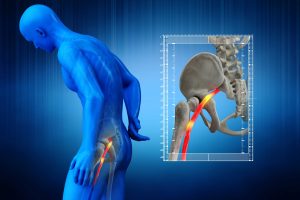
True sciatica, known clinically as lumbar radiculopathy, describes pain that occurs from the direct compression or chemical irritation of the sciatic nerve roots in your lower spine. These nerve roots (specifically L4 to S3) bundle together to form the sciatic nerve, the longest and widest nerve in your body. When something presses on these roots, it can cause a distinct set of symptoms.
The most common causes are a herniated disc, where the soft centre of a spinal disc pushes out and presses on a nerve, or lumbar spinal stenosis, a narrowing of the spinal canal. The pain is typically sharp, shooting, or feels like an electric shock. It follows a clear path from the lower back, through the buttock, and down the back or side of the leg, sometimes reaching the foot and toes. Along with this radiating pain, you might experience numbness and tingling down the leg, pins and needles (paraesthesia), or even muscle weakness in the affected limb. This specific pattern of nerve pain in the lower back radiating down the leg defines true sciatica.
What Do Common Sciatica-Like Sensations Feel Like?
While true sciatica has a specific origin, a wide range of sensations fall under the umbrella of sciatica-like symptoms. These feelings can vary from a deep, dull ache to a severe, incapacitating pain. You might experience a shooting pain down the leg, a persistent burning pain down the leg, or a constant tingling that makes it hard to get comfortable. This discomfort often presents in the lower back, buttock, or anywhere along the nerve pain in leg pathway, extending into the thigh, calf, or foot.
These symptoms can be constant or they may come and go, often worsening with certain activities. A very common complaint is experiencing leg pain when sitting for extended periods, such as at an office desk or while driving. Other triggers might include coughing, sneezing, or bending forward, which can increase pressure on spinal nerves. Understanding the specific nature of your discomfort—whether it’s an ache, a burn, a tingle, or a sharp jolt—is valuable information that helps a healthcare professional make an accurate diagnosis. Paying attention to these details can help pinpoint the true source of your pain and guide appropriate treatment.
What Conditions Can Mimic Sciatica Symptoms? (Pseudosciatica Explained)
One of the biggest challenges in treating lower back pain radiating to the leg is that many different conditions can feel almost identical to true sciatica. This phenomenon, often called pseudosciatica, involves symptoms that mimic nerve root compression but originate from other musculoskeletal structures. Because the treatment for a muscle spasm is very different from the treatment for a herniated disc, getting the diagnosis right is essential for effective care.
Misdiagnosis is a frequent problem for those with sciatica-like symptoms, often leading to treatment plans that fail to address the actual source of the pain. This can result in a frustrating cycle of temporary relief and recurring discomfort. An expert clinical assessment is needed to differentiate between these conditions and develop a targeted strategy. At Spinal Care, we focus on a comprehensive diagnostic process to help us treat the cause, not just the symptom.
Piriformis Syndrome and Other Muscular Causes
A primary culprit behind pseudosciatica is piriformis syndrome. The piriformis is a small muscle located deep within your buttock that helps rotate your hip outward. The sciatic nerve runs directly underneath or, in about 15-20% of people, straight through this muscle. When the piriformis muscle becomes tight, spasmed, or inflamed from overuse, trauma, or prolonged sitting, it can physically compress or irritate the sciatic nerve — a mechanism thoroughly explored in research on behind the pain: understanding piriformis syndrome.
This compression generates a deep, aching, or burning pain in the buttock and leg, which can radiate down the back of the thigh, closely mimicking herniated disc symptoms or other forms of pinched nerve symptoms. It is particularly common among athletes (due to repetitive motion) and office workers (due to prolonged sitting). Beyond the piriformis, other muscles can also be responsible for symptoms similar to sciatica. Myofascial trigger points, or “knots,” in the gluteal muscles (especially the gluteus medius and minimus) are notorious for referring pain down the leg in a pattern that is almost indistinguishable from classic sciatic nerve symptoms. Hip flexor tightness can also contribute to pelvic misalignment, indirectly affecting nerve pathways.
Spinal and Joint-Related Mimics
Besides muscles, issues with the joints and structures in your spine and pelvis can also create sciatica-like symptoms. One common source is sacroiliac (SI) joint dysfunction. The SI joints connect your spine to your pelvis, and when they become stiff, inflamed, or too mobile, they can refer pain into the lower back, buttock, and the back or side of the thigh. This is often seen in pregnant women due to hormonal changes that loosen ligaments, or in individuals with leg length discrepancies or gait issues. The pain is often dull, aching, and worsens with standing or walking.
Another mimic is lumbar facet joint arthropathy, where the small joints connecting your vertebrae (facet joints) become inflamed due to arthritis, injury, or wear and tear, sending a deep ache into the buttocks and sometimes the back of the thigh. This pain often worsens with extension (bending backwards). A lumbar disc bulge, which is less severe than a full herniation but still involves the disc protruding slightly, can still irritate a nearby nerve root and cause radiating pain, often described as a dull ache or tingling. Finally, a condition called spondylolisthesis, where one vertebra slips forward over another, can cause direct nerve compression and significant mechanical instability, leading to persistent nerve compression symptoms and pain that can feel very much like sciatica.
How Do Lifestyle and Age Influence Sciatica-Like Pain?
Your daily habits, occupation, and age all play a significant role in the health of your spine and your susceptibility to developing sciatica-like symptoms. Modern lifestyles, which are often sedentary, place unique stresses on the lower back and pelvis. Likewise, the natural ageing process brings changes that can make the spine more vulnerable to conditions that cause radiating leg pain from the lower back.
Understanding these influences is a vital part of both treatment and prevention. For office workers, addressing poor ergonomics is just as important as direct treatment for leg pain when sitting. For older adults, managing degenerative changes with gentle, supportive care is essential for maintaining mobility and quality of life. Recognising these factors helps create a more holistic and effective approach to spinal health and addressing the underlying sciatica causes.
The Impact of Desk Work and Sedentary Habits
The rise of desk-based work has led to a parallel increase in postural-driven spinal problems. Spending hours sitting each day can lead to a condition known as “Lower Crossed Syndrome,” a pattern of muscular imbalance where hip flexors become tight and gluteal muscles weaken. This imbalance often pulls the pelvis into an anterior tilt, increasing the curve in the lower back (lumbar lordosis).
This sustained poor posture places significantly more compressive force on the lumbar discs and facet joints, accelerating wear and tear. It can also directly irritate the sciatic nerve through tightened piriformis or gluteal muscles, or by affecting the mechanics of the sacroiliac joints. This is a primary reason why many office workers develop sciatica-like symptoms or experience tingling down the leg. This weakening of the supportive gluteal muscles is sometimes called “gluteal amnesia.” At Spinal Care, our chiropractors provide ergonomic assessments and personalised postural advice to help Sydney professionals counteract the effects of a sedentary workday and find relief from work-related nerve symptoms, preventing recurring lower back pain and leg pain.
Age-Related Spinal Changes and Degeneration
As we age, our bodies naturally undergo degenerative changes, and the spine is no exception. Conditions that cause sciatica-like symptoms become more common in older adults. One of the most prevalent is lumbar spinal stenosis, a narrowing of the spinal canal often caused by the formation of bone spurs (osteophytes) or thickening of ligaments, which reduces the space available for nerve roots. This narrowing can compress nerve roots, leading to a condition called neurogenic claudication, which causes cramping, aching, or numbness in the leg and foot that worsens with walking or prolonged standing and is typically relieved by sitting down or leaning forward.
Another common age-related issue is Degenerative Disc Disease (DDD). Over time, the discs between our vertebrae lose hydration and become thinner, reducing their ability to absorb shock and maintain spinal height. This can alter the spine’s mechanics, potentially leading to disc bulges or herniations, and subsequent referred leg pain. Osteoarthritis of the spinal facet joints can also contribute. Our gentle approach to elderly spinal care is specifically designed to manage these conditions effectively, improving mobility and reducing pain for our older patients, helping them manage their sciatica-like symptoms and maintain an active lifestyle.
When Should You Get Sciatica-Like Symptoms Checked? (Red Flags)
While most instances of lower back and leg pain are caused by mechanical issues that respond well to conservative care, some symptoms can signal a more serious underlying condition. These are known as “red flags,” and they require immediate medical attention to prevent the risk of permanent damage. Knowing how to recognise these urgent signs is just as important as knowing when to seek care for persistent, non-emergency pain.
It is always better to be cautious when dealing with nerve-related symptoms. Waiting too long to get assessed can allow a manageable issue to become a persistent problem that significantly impacts your daily life. A professional evaluation can provide peace of mind and set you on the correct path to recovery.
“The framework for assessing low back pain emphasises that while most cases are benign, a structured approach to screen for serious pathology is non-negotiable for patient safety. Early and accurate identification of red flags is a cornerstone of responsible spinal care.” — Paraphrased from research by Bardin, King, and Maher (2017)
What Are the Urgent “Red Flag” Symptoms?
You should seek immediate medical attention or go to the emergency department if your sciatica-like symptoms are accompanied by any of the following red flags. One of the most critical is Cauda Equina Syndrome, a rare but serious condition where the nerve roots at the very bottom of the spinal cord are severely compressed. Symptoms include saddle anaesthesia (numbness in the groin, inner thighs, and buttock area), a sudden change in bowel or bladder control (such as difficulty urinating or faecal incontinence), and progressive weakness in both legs.
Other urgent signs include a progressive neurological deficit, such as “foot drop,” where you find it difficult to lift the front part of your foot or drag your toes when walking. If your pain is unrelenting, severe at night, and accompanied by unexplained weight loss, fever, chills, or a history of cancer, it could indicate a systemic illness, infection, or tumour. Finally, severe lower back and leg pain that begins after a significant trauma, like a fall from a height or a car accident, also warrants an immediate medical evaluation, as it could indicate a fracture or serious injury.
When to Seek Professional Assessment for Persistent Pain
Even if you don’t have red flag symptoms, you shouldn’t ignore persistent pain. It’s time to seek a professional assessment when your sciatica-like symptoms last for more than a week without showing any signs of improvement. You should also book an appointment if the pain is interfering with your daily activities, affecting your ability to work, or disrupting your sleep.
Recurrent episodes of lower back and leg pain are another sign that an underlying issue needs to be addressed. If you’ve tried simple home remedies or over-the-counter medication without success, it’s a clear signal to get an expert opinion. Early intervention can prevent minor issues from becoming entrenched, persistent problems, which are often harder to treat. At Spinal Care, we stress the importance of early intervention. A thorough assessment can identify the root cause of your pain and prevent it from becoming a long-term, persistent condition.
Spinal Care’s Approach to Diagnosing and Treating Sciatica-Like Symptoms
At our clinics in Ingleburn and Kogarah Bay, we believe that effective treatment for sciatica-like symptoms starts with a precise diagnosis. We employ a comprehensive Bio-Psychosocial assessment and a conservative-first philosophy to get to the root cause of your pain. Our goal is to create a customised, evidence-based treatment plan that provides lasting relief and helps prevent future recurrences.
Our comprehensive approach is designed to help a wide range of patients, from office workers in Sydney with persistent leg pain from the lower back to athletes and elderly individuals. We don’t just treat the symptoms; we address the underlying biomechanical, lifestyle, and even psychological factors that contribute to your pain. This holistic model is central to achieving sustainable recovery outcomes and effective management of sciatica causes.
Our Comprehensive Diagnostic Process
Your initial consultation with us begins with a thorough Bio-Psychosocial Assessment. This is more than just a physical examination; we take the time to understand your health history, lifestyle, stress levels, and sleep patterns. This is combined with detailed orthopaedic and neurological testing to build a complete picture of your condition, which is vital for an accurate sciatica diagnosis in Australia. We use this information to distinguish between true radiculopathy and pseudosciatica mimics like piriformis syndrome and facet joint irritation.
When necessary, we utilise precision diagnostics, including referrals for X-rays or MRI scans, to visualise your spinal structures and confirm the source of nerve compression. Our entire process is informed by a structured triage system, based on frameworks like that from Bardin, King, and Maher (2017), to effectively screen for any red flags that might require immediate medical referral. This detailed diagnostic approach ensures the treatment plan is targeted correctly from day one.
Evidence-Based Conservative Treatment Options
Our treatment philosophy is conservative-first, grounded in research showing that for many people, the long-term outcomes of non-surgical care are comparable to surgery — a principle supported by a comprehensive scoping review and meta-analysis examining upper limb strength asymmetry and the broader importance of balanced musculoskeletal rehabilitation. We prioritise gentle, non-invasive techniques to restore your body’s natural function and reduce nerve pain in the lower back. One of our key services is the Activator Methods for Sciatica, a systematic, low-force chiropractic technique that allows for precise adjustments without the forceful twisting or cracking that some patients are wary of.
Your personalised plan may also include specific chiropractic adjustments to improve alignment and relieve nerve pressure, along with soft tissue therapy to release muscle tension causing nerve irritation (e.g., in cases of piriformis syndrome symptoms). We also design customised rehabilitation and core strengthening programmes to stabilise your spine, improve spinal mobility, and reduce the risk of recurrence. For our office-based patients, we provide ergonomic assessments and postural advice to address the root causes of their sciatica-like symptoms, promoting healthier habits and sustained relief.
Practical Self-Care Tips for Managing Sciatica-Like Discomfort
While professional care is essential for diagnosing and treating the root cause of sciatica-like symptoms, there are several practical steps you can take at home to manage discomfort and support your recovery. These self-care strategies focus on gentle movement, improving posture, and making smart ergonomic choices. The goal is to reduce irritation on the affected nerves and muscles without aggravating the condition, providing effective sciatica pain relief.
Combining these at-home tips with a professional treatment plan can help you achieve faster sciatica pain relief and build healthier habits for long-term spinal health. Always remember to listen to your body and stop any activity that significantly increases your pain. These measures are meant to provide gentle relief, not push you through the pain.
Simple Movements and Stretches for Relief
Contrary to the old belief that you should rest completely, gentle movement is often beneficial for sciatica-like symptoms. Low-impact activities like walking can improve circulation and reduce inflammation without placing excessive stress on your spine. Specific, gentle stretches can also help relieve tension in the muscles of the lower back, hips, and buttocks, which can contribute to pinched nerve symptoms.
Here are a few simple movements and stretches you can try:
-
Knee-to-Chest Stretch: Lie on your back and gently pull one knee toward your chest, holding for 20-30 seconds. This stretches the lower back and gluteal muscles. Perform on each leg.
-
Piriformis Stretch: Lie on your back with your knees bent. Cross the ankle of the affected leg over the opposite knee (figure-4 position) and gently pull the supporting thigh toward you until you feel a comfortable stretch in your buttock. Hold for 20-30 seconds.
-
Pelvic Tilts: Lie on your back with your knees bent and feet flat on the floor. Gently flatten your lower back against the floor, engaging your core muscles, and hold for a few seconds. Then, arch your back slightly. Repeat slowly for 10-15 repetitions.
-
Nerve Glides (Flossing): These are gentle, sliding movements designed to help the sciatic nerve move more freely and reduce irritation. For example, sitting upright, extend one leg and gently point and flex your ankle. A professional can show you the correct technique for your specific condition.
-
Gentle Walking: Regular, short walks (10-15 minutes) on a flat surface can help keep the spine mobile and improve blood flow, often reducing stiffness associated with lower back pain and leg pain.
Ergonomic Adjustments and Postural Habits
How you sit, stand, and lift throughout the day has a huge impact on your spinal health and can directly influence sciatica causes. Making a few simple ergonomic adjustments can prevent aggravation of sciatica-like symptoms, especially for those who work at a desk. Start by avoiding prolonged sitting; set a timer to get up, stretch, and walk around for a few minutes every hour. Consider a standing desk or regular movement breaks.
When you are sitting, ensure you have proper lumbar support to maintain the natural curve of your lower back. Your feet should be flat on the floor with your knees at a 90-degree angle, and your hips slightly higher than your knees if possible. Position your computer monitor at eye level to avoid slouching or straining your neck. When lifting objects, always bend at your knees and hips, not your waist, and keep the object close to your body. Engage your core muscles as you lift. Even your sleeping posture matters—try sleeping on your side with a pillow between your knees to keep your spine aligned, or on your back with a pillow under your knees to reduce lower back arch. These adjustments can significantly reduce the incidence of burning pain in the buttock and leg and other discomforts.
Finding Lasting Relief from Sciatica-Like Symptoms
Dealing with sciatica-like symptoms can be a challenging experience, but it’s important to remember that relief is achievable. The radiating pain, numbness, and tingling you feel can stem from a variety of sources, which is why an accurate diagnosis from an experienced professional is the most important step in your recovery. At Spinal Care, our team is committed to finding the true cause of your discomfort and provide effective treatment.
Our evidence-based, patient-centred approach has helped countless residents across Sydney, from our clinics in Ingleburn and Kogarah Bay, move beyond their pain. If you are struggling with persistent lower back and leg pain or numbness and tingling in the leg, don’t wait for it to become a persistent issue. We encourage you to seek a professional assessment and start your path toward lasting relief and an improved quality of life.
Frequently Asked Questions
Question: What is the fastest way to relieve sciatica-like pain at home?
The fastest way to find temporary relief at home often involves a combination of gentle movement like short walks, applying a heat or cold pack to the painful area for 15-20 minutes, and performing gentle stretches like the knee-to-chest or piriformis stretch. It’s also important to avoid activities that aggravate the pain, such as prolonged sitting or heavy lifting. Over-the-counter anti-inflammatory medication may also help reduce discomfort in the short term, but always consult with a pharmacist or doctor. For any persistent or worsening sciatica-like symptoms, professional advice is recommended.
Question: Can poor posture specifically lead to sciatica-like symptoms?
Yes, absolutely. Chronic poor posture, especially prolonged sitting with a slouched back, creates muscular imbalances and increases pressure on your lumbar discs and spinal joints. This can lead to conditions like Lower Crossed Syndrome, where tight hip flexors and weak glutes alter your pelvic position. This sustained strain can directly irritate nerves, contribute to conditions like piriformis syndrome, or cause referred pain from other muscles and joints that perfectly mimics sciatica. Over time, these postural issues are significant sciatica causes.
Question: What is the difference between sciatic nerve pain and general leg pain?
The key difference is the pattern and quality of the pain. Sciatic nerve pain or sciatica-like symptoms typically follow a specific nerve pathway, radiating from the lower back or buttock down the leg (often along the back or side of the thigh and calf). This pain is often described as sharp, shooting, burning, or electric, and it may be accompanied by neurological symptoms like tingling, numbness, or weakness in the affected area. General leg pain, on the other hand, is often more localised to a muscle, tendon, or joint (e.g., a hamstring strain or knee arthritis) and usually lacks these distinct nerve-related qualities, although it can be severe.
Question: Are there any specific stretches I should do for piriformis syndrome symptoms?
Yes, stretches that specifically target the piriformis muscle can be very effective for piriformis syndrome symptoms. The two most common are the supine piriformis stretch (lying on your back, crossing one ankle over the opposite knee and gently pulling the supporting leg toward you into a figure-4 position) and the seated piriformis stretch (sitting with one ankle crossed over the opposite knee, leaning forward slightly). The goal is to gently lengthen the piriformis muscle to relieve pressure on the sciatic nerve. Always perform these stretches gently, hold for 20-30 seconds, and stop immediately if they cause sharp pain. Consistency is key for relief.
Question: How long does it take to recover from sciatica-like symptoms with conservative care?
Recovery time can vary significantly based on the underlying cause, the severity and duration of the sciatica-like symptoms, and individual health factors. With consistent, targeted conservative care, many people feel significant improvement within a few weeks to a couple of months. However, chronic or more complex cases, especially those with significant nerve compression or long-standing issues, may take longer to resolve fully, sometimes several months. The comprehensive approach at Spinal Care focuses not just on immediate relief but on long-term prevention and rehabilitation to minimise recurrence.
Question: Can sciatica-like pain affect both legs?
Yes, it is possible for sciatica-like symptoms to occur in both legs, which is known as bilateral sciatica. This can be caused by conditions that affect the spine centrally, such as a large central disc herniation or severe spinal stenosis that compresses nerve roots on both sides of the spine. However, bilateral symptoms, especially when combined with bladder or bowel changes (saddle anaesthesia), are a “red flag” for Cauda Equina Syndrome and require immediate emergency medical attention, as this is a medical emergency that can lead to permanent nerve damage if untreated.
Question: Is a tingling down the leg always a sign of nerve damage?
Tingling (numbness and tingling in the leg) is a sign of nerve irritation or compression, but it does not automatically mean there is permanent nerve damage. It is often a temporary symptom caused by positional pressure, inflammation, or muscle tightness from conditions like piriformis syndrome, a minor disc bulge, or even sustained poor posture. However, persistent, worsening, or severe tingling, especially when accompanied by muscle weakness, loss of sensation, or other neurological symptoms, should always be evaluated by a professional to rule out more significant or progressive nerve compression that could lead to damage if left unaddressed. Early assessment is important.