

Introduction
According to the Australian Institute of Health and Welfare, about 4 million Australians live with back problems at any one time. For many golfers, that pain flares on the fairway as golfer’s back pain, turning a relaxing round into a painful effort. For most players, symptoms are linked to repeated rotation and extension, mobility limitations, weak supporting muscles, overuse, swing mechanics, and rapid spikes in play or practice volume rather than a single bad swing. Reducing risk usually involves better strength and mobility, a proper warm up, efficient swing mechanics and sensible load management.
That combination of factors can create a dull ache after nine holes, sharp pain with the downswing or even sciatica that runs into the leg. Without guidance, golfers often rest for a while, then return and repeat the same patterns, so the cycle continues.
This article explains what golfer’s back pain is, how golf loads the spine, what a first assessment usually involves, and how chiropractic and rehabilitation at Spinal Care in Sydney may fit within a broader care plan. You will also see practical golf back injury prevention strategies, red flag warning signs and a simple checklist you can use before your next round. Understanding these points can help you reduce risk, know when to seek help, and keep enjoying your golf.
Key Takeaways
These key takeaways summarise the main causes, warning signs and prevention strategies related to golfer’s back pain. They are a quick reference if you do not have time to read every section in detail.
-
Golfer’s Back Pain Is Usually Multifactorial
Back pain in golfers rarely comes from a single muscle or joint. Several spinal structures and surrounding tissues share the load during the swing. That is why a plan that looks at joints, muscles, nerves and habits together tends to work better than a one step fix. -
Rotation, Extension And Load Spikes Drive Irritation
Repeated one sided rotation, side bend and extension in the swing stress the lower lumbar joints and discs. Sudden jumps in play or practice volume add extra strain to tissues that are not conditioned. Smoother training loads and attention to swing shape reduce this irritation. -
Early Assessment Guides Safe, Targeted Care
Getting your back checked early helps sort out simple mechanical pain from nerve irritation or more serious problems. A structured history and examination give a clearer picture than guessing from internet searches. This makes it easier to match care to your goals and medical needs. -
Strength, Mobility And Technique All Matter
Strong hips and core, flexible mid back and a measured swing share the workload away from the lower spine. Golf warm up exercises for the back and regular conditioning help limit flare ups. Good coaching on set up and swing sequence then helps you use that strength safely. -
Chiropractic At Spinal Care Fits Within A Broader Plan
At Spinal Care, chiropractic adjustments, soft tissue work and non surgical decompression sit alongside exercise, education and coaching input. Care is individual, evidence led and coordinated with GPs, physiotherapists and other providers when needed. This team approach suits adults with chronic pain, WorkCover or DVA claims and older or pregnant golfers.
What Is Golfer’s Back Pain And How Does Golf Load The Spine?
Golfer’s back pain describes back, neck or nerve symptoms that appear during or after golf because of repeated spinal loading. The golf swing places combined flexion, rotation and extension forces on the spine, discs, facet joints, muscles and nerves every time you hit the ball.
Research in the British Journal of Sports Medicine reports that lower back pain is the single most common injury in golf, often more frequent than shoulder or elbow problems. In social golfers around Sydney, age, desk based work, arthritis, past injuries, pregnancy and general deconditioning often mean symptoms feel worse than in well conditioned professionals. Pain may centre in the lumbar spine, but many golfers also notice mid back, neck, hip or leg symptoms that relate to the same movement patterns.
“Golf places considerable rotational and compressive loads on the lumbar spine, particularly in players with limited hip and thoracic mobility.” – Adapted from sports medicine commentary in British Journal of Sports Medicine
Typical Patterns And Symptoms Of Golfer’s Back Pain
Typical golfer’s back pain often feels like a dull ache across the lower back, sometimes slightly worse on one side. You may notice a sharp twinge at impact or in the follow through, especially with drivers and long irons. Morning stiffness or stiffness after a long car trip to the course is common, easing a little once you move around.
Common patterns include:
-
Local pain and stiffness
- Ache across the lower back after a round
- Sharp pain at impact or through the downswing
- Difficulty bending to tee up or pick up the ball
- Stiffness after sitting, driving or a long lunch break
-
Muscle tightness and spasm
Muscles around the spine, buttocks and hips may feel tight or go into spasm. Some golfers feel pain more the next day than on the course, especially after a long or hilly walk. -
Nerve related symptoms
Sometimes nerves are involved, most often the sciatic nerve. This can cause burning, electric or shooting pain from the lower back into the buttock, thigh or even the foot, along with pins and needles or numbness. In more marked cases, the leg may feel weak or unsteady when you push off, climb steps or walk uphill. -
Neck and upper back irritation
The golf swing can also irritate the neck and upper back. Stiffness from trying to “keep your head down”, along with limited mid back rotation, can trigger headaches or pain between the shoulder blades. These patterns are usually mechanical and link to movement, but they still deserve assessment, especially if they keep repeating.
When Is Golfer’s Back Pain A Red Flag?
Golfer’s back pain can sometimes point to a more serious spinal or general health problem that needs urgent medical review. Recognising these warning signs helps you decide when to call a GP or head straight to hospital.
Red flags include:
-
Recent major trauma with intense back pain
A heavy fall, collision with a cart or being struck hard by a ball followed by severe pain needs same day medical assessment. Do not try to “play through” or wait to see if it settles. Early imaging is often important in this setting. -
New or rapidly worsening leg weakness
Sudden trouble lifting the foot, standing on toes or heels, or clear giving way in one leg can suggest significant nerve compression. This pattern, especially if getting worse over hours or days, should be checked urgently. Prompt care can reduce the chance of long term nerve changes. -
Changes in bladder, bowel or groin sensation
Loss of control of bladder or bowel, trouble starting flow or numbness in the groin or inner thighs is an emergency sign. These symptoms may indicate severe compression of nerves in the lower spine. Call an ambulance or attend the nearest emergency department without delay. -
Systemic illness signs with back pain
Unexplained weight loss, fever, night sweats or pain that is worse at night or at rest can point to infection or other medical problems. When these signs combine with new back pain, your GP needs to review you promptly. Blood tests and imaging may be required.
Spinal Care chiropractors screen carefully for red flags during assessment and work closely with GPs and specialists. If any of these patterns appear, they arrange urgent medical or hospital referral rather than starting routine treatment.
Why Are Golfers So Prone To Lower Back Pain And Golf-Related Back Injuries?
Golfers are prone to lower back pain because the swing is one sided, repetitive and heavily loaded through rotation and extension. Those same forces, added to age related change, fitness level and work demands, explain many golf related back injuries.
A full round with warm up and practice swings often means hundreds of swings, nearly all in the same direction. The body then develops muscle and joint imbalances between the lead and trail sides. Long days at a desk, heavy manual jobs or previous injuries add further strain, so the lumbar spine becomes the weak link that starts to complain.
Rotational Load, Extension And Overuse In The Golf Swing
During set up, many golfers bend from the spine rather than hinging from the hips, which increases disc pressure even before the swing begins. As you take the club back, the pelvis and trunk rotate, but if the hips or mid back are stiff, the lower lumbar joints twist more than they should. At impact and through the follow through, the spine often ends up in a mix of rotation, side bend and backward lean.
Biomechanics research in journals such as Spine shows that combining flexion and rotation greatly increases disc pressure compared with standing upright. In golf, that mix repeats again and again, especially at levels L4–L5 and L5–S1. Modern power swings that chase extra distance can exaggerate this effect, particularly when players arch the lower back or “jump” at the ball.
Overuse is another common thread:
- Sudden jumps from one casual round a fortnight to a full weekend of 36 holes plus range sessions
- Playing and practising more during holidays without building up gradually
- Cold mornings, poor warm ups and fatigue later in the round
These situations can overwhelm tissues that are not conditioned. Without enough recovery, small strains add up and eventually present as golfer’s back pain.
Common Underlying Conditions Seen In Golfers’ Backs
Behind golfer’s back pain, several mechanical diagnoses appear frequently, often in combination:
-
Muscle and ligament strains
Very common after heavy practice, poor warm up or returning from a lay off. This often feels like a broad “belt line” ache with stiffness after sitting or driving. -
Facet joint irritation and osteoarthritis
Facet joints are the small joints at the back of each vertebra that guide movement. Irritation here often causes sharp pain on extension or twisting, morning stiffness and tenderness to touch on one side of the spine. -
Lumbar disc strain or herniation
Repeated bending and rotation can stress the outer fibres of the disc. Symptoms range from central lower back pain through to sciatica, numbness or weakness in the leg. -
Sacroiliac joint dysfunction and pelvic problems
These can cause pain near the dimples at the back of the pelvis and into the buttock or groin. Pregnancy related laxity can add to this pattern. -
Spinal stenosis and spondylolisthesis in older players
These conditions can make walking uphill or standing still more difficult than sitting or leaning on a cart. Clinical guidelines from the Australian Commission on Safety and Quality in Health Care note that many degenerative findings on scans do not always equal severe disease, so clinical assessment is the key.
Only a qualified clinician can confirm the diagnosis and decide on safe treatment. Self diagnosing from internet information alone is risky, especially when symptoms are changing or severe.
What Does A First Assessment For Golfer’s Back Pain Usually Involve?
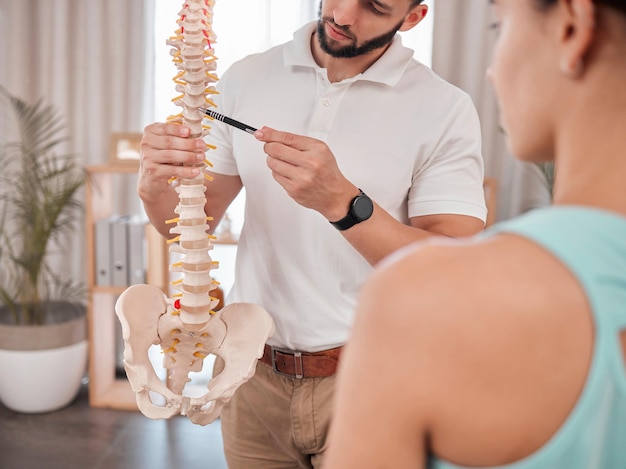
A first assessment for golfer’s back pain aims to clarify which structures are irritated, how serious the problem is and how golf fits into the picture. At Spinal Care, this means a structured history, careful examination and clear explanation, rather than a quick “crack and hope” approach.
Australian back pain guidelines emphasise clinical history and physical examination as the main tools for most people without red flags, rather than routine scans. Following this approach helps match the care you receive to current evidence and your personal goals, whether that is pain relief, a safe return to sport or improved work function.
History, Physical Examination And Diagnostic Triage
During the history, your chiropractor asks when the pain started, where it is located and what it feels like. They explore aggravating and easing factors, including:
- Specific phases of the golf swing
- Sitting, lifting, driving and desk work
- Sleep, walking and daily tasks
- Previous injuries, surgeries and medications
- General health conditions and bone health
- WorkCover or DVA status
- For women, pregnancy or menstrual patterns where relevant
Golf specific questions look at which side you play, how often you play or practise, any recent spikes in volume, and whether you have changed clubs or taken new coaching advice. Other joint pains, such as hip, knee or shoulder issues, are important because they can alter swing mechanics and load the back. This broader picture helps the clinician see how your spine fits within your overall health.
The physical examination usually includes:
- Observation of posture and spinal curves
- Basic movements such as bending, extension and rotation
- Palpation of muscles and joints to find areas of tenderness, stiffness or spasm
- Checks of hip and mid back mobility
- Orthopaedic tests for discs, joints and sacroiliac region
- Simple neurological checks like reflexes, strength and sensation when nerve involvement is suspected
Functional tests such as single leg stance, gentle squat or hip hinge patterns and simple swing simulations show how symptoms behave during golf like movements. Using this information, Spinal Care clinicians group your presentation into categories such as non specific mechanical pain, nerve related pain or possible specific pathology. This triage model guides safe care or timely referral.
When Are Imaging, GP Care Or Specialist Referral Recommended?
Imaging is not routine for every case of golfer’s back pain. X rays or MRI and CT scans are usually considered when there are:
- Clear red flag signs
- Significant trauma
- Marked or progressive neurological changes
- Pain that does not improve with good quality conservative care
Guidelines from the Royal Australian College of General Practitioners advise against unnecessary imaging because many scan findings are common in people without pain.
GP involvement is helpful for medication review, chronic disease management plans and broader health checks. In Australia, many patients qualify for Medicare Chronic Disease Management plans that include subsidised chiropractic care, and Spinal Care bulk bills these eligible visits. Coordination with GPs is especially important for older adults, pregnant women, veterans with DVA Gold Cards and workers under WorkCover.
Referral to a sports physician, orthopaedic surgeon or neurosurgeon is considered when there is severe or worsening nerve compression, suspected fracture, infection or tumour, or when several months of quality conservative care have not helped enough. Most golfer’s back pain does improve with non surgical care, but accurate triage keeps you safe and helps you reach the right level of support if needed.
How Can Chiropractic And Rehabilitation Help Manage Golfer’s Back Pain?
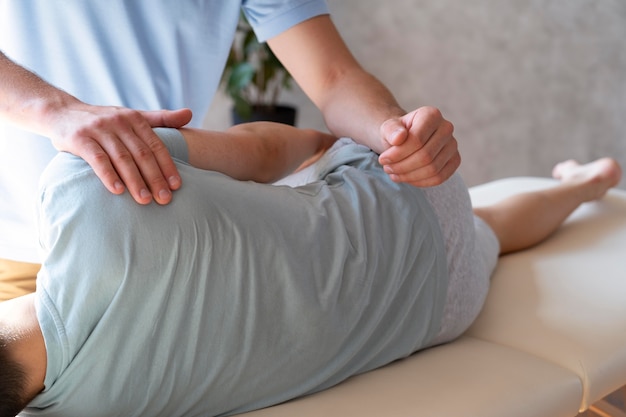
Chiropractic and rehabilitation help manage golfer’s back pain by improving joint motion, reducing muscle tension, calming nerve irritation and building strength and confidence for movement. At Spinal Care, these methods sit within a wider plan that also covers education, golf specific advice and collaboration with your GP, physiotherapist or coach.
Modern evidence supports active, conservative care for most back pain, with an emphasis on staying as active as possible rather than bed rest (World Health Organization). For golfers, that usually means modifying rather than stopping golf, while working on the factors that keep provoking symptoms.
Spinal Care’s Non-Surgical Approach For Golfers
Spinal Care is a Sydney based clinic led by Dr George Hardas, a chiropractor who holds a Master of Science in Medicine with a focus on Cognitive Behavioural Therapy and more than a decade of orthopaedic research experience. This background, including research published in the journal Spine, shapes a strongly evidence based and patient centred approach. Back pain is seen as a mix of physical, psychological and social factors, not just a “bone out of place”.
Key components of Spinal Care’s non surgical care for golfers include:
-
Targeted spinal and pelvic adjustments
These aim to improve joint motion in stiff or “jammed” areas and ease local irritation. -
Low force Activator Methods
For elderly patients, pregnant women, veterans and those who dislike forceful manipulation, Spinal Care uses low force techniques with a handheld instrument. These approaches suit people with osteoporosis, previous surgery or high pain sensitivity. -
Non surgical spinal decompression
For selected cases with disc bulges or sciatica that limit daily life and golf, Spinal Care offers non surgical spinal decompression using the computer controlled Spine MT Core system. Research from Seoul National University Bundang Hospital has shown MRI confirmed improvements in disc appearance and marked pain reduction after structured decompression programs in suitable patients. A review in the BMJ also reports that around two thirds of people with sciatica from disc herniation improve within about six weeks of conservative care, supporting non surgical pathways. -
Soft tissue therapy
Myofascial release and trigger point techniques for the lumbar muscles, gluteals, hip flexors and shoulder girdle help reduce spasm and improve flexibility for a smoother swing. -
Objective assessment tools
AI assisted posture analysis, digital X rays when indicated and muscle function testing help Spinal Care clinicians map your biomechanics and design targeted treatment.
Care is made more accessible through bulk billing for eligible Medicare CDM referrals, DVA Gold Card holders and approved WorkCover claims, along with rebates from many private health funds.
“Manual therapy and exercise, combined with education and activity advice, form the cornerstone of evidence based care for most people with low back pain.” – Summary based on international low back pain guidelines
Rehabilitation, Exercise And Graded Return To Golf
Rehabilitation is central to lasting improvement in golfer’s back pain. At Spinal Care, programs usually start with low load core exercises that suit your age, pain level and fitness. Examples include gentle abdominal bracing, modified planks, bird dog variations and pelvic control drills, all focused on quality rather than intensity. These build the foundation for spinal stability during rotation.
Key elements include:
-
Glute and hip strengthening
Strong hips help offload the lumbar spine, as powerful, well controlled hips share more of the work in the swing. Simple home based options include bridges, clams and sit to stand variations, which can be adapted for older adults or those with knee issues. -
Thoracic and hip mobility drills
These spread rotation more evenly along the chain, reducing excessive movement at one painful level. Common examples are “open book” rotations, cat–camel movements and gentle hip internal and external rotation. -
Graded exposure to rotation and golf practice
Bending, rotation and swing practice are gradually reintroduced in a planned way. For some, that means starting with putting and chipping, then half swings, before returning to full drivers.
Guidelines from the American College of Sports Medicine recommend at least two strength sessions per week for general health, and similar principles apply when building golf specific conditioning. Spinal Care often coordinates with physiotherapists, exercise physiologists and golf coaches so that your rehab and swing changes support each other rather than clash.
How To Prevent Golfer’s Back Pain: Practical Strategies For Australian Golfers
Preventing golfer’s back pain involves combining smart warm ups, good baseline fitness, efficient swing mechanics and careful management of how much you play and practise. These strategies lower the risk of flare ups and help you recover faster, although no plan can completely remove the chance of pain.
For adults in Sydney juggling work, family and health issues, prevention also means being realistic. Short, consistent workouts, simple golf warm up exercises for the back and modest equipment tweaks often achieve more than occasional intense efforts.
Golf Warm-Up, Stretches And Exercises For A Healthier Back
A structured warm up prepares your spine and muscles for the forces of the golf swing. Aim for ten to fifteen minutes before the first tee, including:
- A few minutes of brisk walking or marching on the spot
- Dynamic movements such as leg swings, hip circles, arm circles and gentle torso rotations
- A series of practice swings, starting small and gradually building up, focusing on balance and control rather than power
Key back stretches for golfers target hips and mid back more than the lumbar spine itself:
- Hip flexor and hamstring stretches to reduce the pull on the pelvis and lower back
- Glute and piriformis stretches in a figure four position to ease tension around the buttock and sacroiliac region
- Gentle mid back rotation drills, such as “open book” stretches in side lying, to free up the thoracic spine so the lower back does not have to twist as far
Simple core exercises for golfers include dead bug variations, bird dogs and short front or side planks, all done with relaxed breathing and a neutral spine. Even a few sets, two or three times per week, build helpful strength over time.
A cool down after the round with easy walking and slow, sustained stretching for hips and back supports recovery. A review in the British Journal of Sports Medicine has shown that structured warm up programs reduce injury rates in several field sports, and similar principles are sensible for golf.
Safety matters. People with disc herniation, spinal stenosis, osteoporosis or pregnancy should avoid aggressive end range stretches and bouncing movements. Getting individual guidance from a chiropractor, physiotherapist or exercise professional familiar with golf is wise if you have complex medical needs.
Load Management, Technique And Equipment Choices
Ongoing habits on and off the course make a big difference to back symptoms. Load management means avoiding large spikes in how often or how hard you play, especially after time off. Instead of jumping from a monthly 9 holes to a full weekend of 36 holes and range work, build up slowly, with rest days between heavier sessions.
Pain can act as useful information. Mild muscle soreness that settles within a day or two is usually acceptable, whereas pain that worsens during the round or lingers and escalates after every game suggests overload. Clinical guidance from the World Health Organization highlights the value of staying active but adjusting activity when pain is clearly worsening.
A simple prevention checklist for your next round:
-
Plan your week, not just each round
Spread golf, practice and other heavy tasks across the week so your back has time to recover. Try not to schedule long practice sessions on the same days as heavy work or childcare lifting. If your pain spikes after a busy week, scale back slightly the following week. -
Make warm up and cool down standard practice
Treat golf like any other sport that needs preparation, not just a walk with a club. Arrive early enough for a basic warm up instead of racing from the car to the first tee. After the round, spend a few minutes walking and stretching rather than sitting straight into the car. -
Adjust technique with help rather than guessing
Work with a golf coach to shorten the backswing a little, reduce excessive lower back arch and improve hip hinge at address. Ask them to help you use more hip and thoracic rotation rather than twisting mainly from the lumbar spine. Small, well guided changes often reduce pain without ruining your enjoyment. -
Choose equipment and course options that respect your back
Use a push or electric trolley instead of carrying a heavy bag, especially if you have chronic pain, WorkCover injuries, pregnancy or arthritis. Consider lighter graphite shafts, more forgiving clubs and supportive shoes with good grip. When symptoms are sensitive, opt for flatter courses or forward tees rather than long, hilly layouts.
If, despite these steps, you still notice regular back pain from playing golf, a structured review with a clinician such as a chiropractor at Spinal Care or a sports physiotherapist is sensible. They can link your swing and equipment choices with your medical picture and help refine your prevention plan.
Putting It All Together
Golfer’s back pain usually reflects a mix of spinal loading patterns, mobility limits, strength deficits and sudden changes in golf volume, not just one unlucky swing. The one sided, repetitive nature of golf, combined with work and life demands, means the lower back often ends up as the overloaded link in the chain.
Careful assessment that includes a detailed history, physical examination and screening for red flags helps separate simple mechanical pain from nerve compression or serious disease. Most golfers benefit from conservative care that combines manual therapy, rehabilitation exercises, golf swing advice and sensible load management. At the same time, symptoms such as major trauma, numbness, weakness, bowel or bladder changes, fever, unexplained weight loss or severe worsening pain always require urgent medical review.
Spinal Care supports Sydney golfers and other patients through research driven, low force chiropractic care, non surgical spinal decompression, soft tissue therapy and targeted exercise programs. Dr George Hardas and the team work closely with GPs, physiotherapists, WorkCover case managers and DVA providers to create coordinated, evidence led plans. With realistic expectations, many people can manage their golfer’s back pain, keep playing in a safe way and maintain the broader health benefits and social enjoyment that golf brings.
Frequently Asked Questions
Question: Is Golfer’s Back Pain Always Caused By A Disc Herniation?
No, most golfer’s back pain is not caused by a disc herniation. More often it relates to muscle strain, ligament sprain, facet joint irritation, osteoarthritis or sacroiliac joint dysfunction. Disc problems are only one possible cause among many. A proper clinical assessment is needed to work out which structures are involved and how serious the issue is.
Question: Can I Keep Playing Golf If I Have Chronic Lower Back Pain?
Many people with chronic lower back pain can keep playing golf with the right modifications and clinical guidance. Adjusting swing mechanics, using a trolley, limiting volume and building core and hip strength all help reduce strain. It is important to pause and seek medical review if pain suddenly worsens, radiates strongly into the leg or comes with red flag signs such as numbness, weakness or bladder or bowel changes.
Question: What Are The Best Core Exercises For A Golfer’s Back?
The best core exercises for a golfer’s back are usually low load stabilisation drills that you can perform with good control. Common examples include bird dogs, short planks, dead bugs and bridges, all focused on steady breathing and spine alignment. These work best when combined with hip and glute strength work plus mid back mobility. Personal instruction from a chiropractor, physiotherapist or exercise professional is ideal.
Question: When Should I See A Chiropractor Versus A Physiotherapist Or GP For Golf-Related Back Pain?
You should see a GP first if you have red flag signs, major trauma or complex medical issues. For ongoing mechanical golf related back pain, a chiropractor can assess the spine and pelvis, provide manual therapy, spinal decompression where appropriate, rehabilitation and education. Physiotherapists and exercise physiologists often focus more on broader conditioning and sport specific rehab. At Spinal Care, chiropractors frequently work alongside GPs and other providers so care is coordinated.
Question: How Long Does It Usually Take For Golfer’s Back Pain To Improve With Conservative Care?
Many acute mechanical episodes of golfer’s back pain improve over several weeks with appropriate care and load management. Disc related or long standing problems often take longer and may change in stages rather than overnight. A review in the BMJ reports that a large proportion of people with sciatica from disc herniation feel much better within about six weeks of conservative care. Your progress depends on diagnosis, general health and how well you follow exercise and activity advice.
Question: Can A Back Brace Or Support Belt Help With Golfer’s Back Pain?
A back brace or support belt can sometimes give short term relief or confidence, especially in the early stages of recovery. However, relying on a brace for long periods may reduce muscle activity and slow strength gains. Braces are best seen as one small part of a plan that includes exercise, swing changes and load management. Discuss brace use with a clinician who understands your golf and medical history.