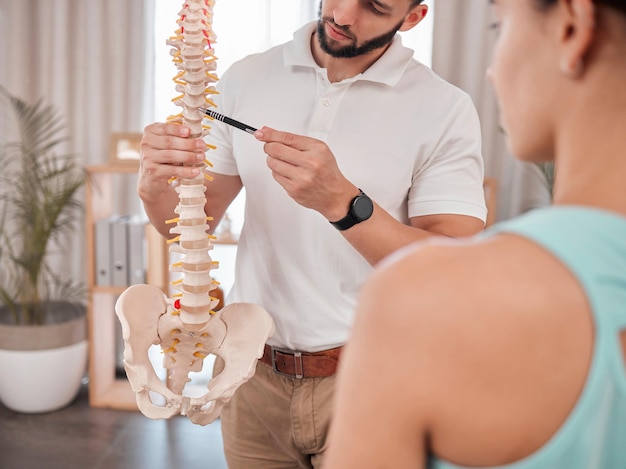


Dealing with a sports injury that just won’t go away is incredibly frustrating. You follow the advice, rest, and think you are fully healed, only for the pain to return. Recurrent sports injuries often keep coming back because the initial recovery was incomplete, leaving the tissue weak and vulnerable.
Deeper issues such as poor biomechanics, muscle imbalances, or improper training techniques are often the true culprits that were never adequately addressed.
This article explores the real reasons behind recurrent sports injuries. We will explain what they are, the key factors that cause them to reappear, and how to finally break the cycle of pain. You will learn about effective sports injury prevention strategies and how a comprehensive approach can lead to lasting recovery and peak performance.
Let’s examine why these injuries persist.
Key Takeaways
-
Recurrent injuries stem from unaddressed root causes, not just bad luck.
-
Incomplete rehabilitation and a premature return to sport are major culprits.
-
Poor biomechanics, muscle imbalances, and posture significantly increase risk.
-
Holistic chiropractic care, like that at Spinal Care, focuses on comprehensive root-cause rehabilitation after injury.
-
Prevention through proper training, recovery, and lifestyle choices is paramount for sports injury recovery.
Jump to section
- What Are Recurrent Sports Injuries and Why Do They Keep Coming Back?
- What Are the Key Causes and Risk Factors for Recurring Sports Injuries?
- How Does Spinal Care Address the Root Causes of Recurrent Sports Injuries?
- What Are Proven Strategies for Preventing Recurring Sports Injuries?
- Beyond Treatment: Holistic Recovery for Lifelong Musculoskeletal Health
- Break the Cycle of Recurrent Sports Injuries Today
- Frequently Asked Questions
What Are Recurrent Sports Injuries and Why Do They Keep Coming Back?
Understanding what causes recurrent sports injuries begins with defining them correctly. These are instances of tissue damage that happen repeatedly in the same anatomical location, not due to simple misfortune, but because of persistent, unresolved underlying issues. While the pain might subside temporarily, the fundamental problem remains, making the area highly susceptible to being injured again. Recurring sports injuries often come back because the initial rehabilitation after injury was not fully completed, or the core biomechanical faults and poor training habits that caused the first injury were never corrected. This often leads to reinjury causes that are overlooked.
Many people return to their sport as soon as the pain disappears, mistakenly believing this signals a full recovery. However, the absence of pain does not mean the tissue has regained its original strength and flexibility. According to clinical studies on the Incidence of and Risk factors for lower extremity injuries, about 10% of sports injuries in youth athletes are recurrent, often because foundational weaknesses are not addressed. This returning to sport too early places high stress on vulnerable, partially healed tissue, leading directly to reinjury. This explains why sports injuries keep coming back.
Furthermore, the body is excellent at compensation. If one muscle or joint is not functioning correctly, others will take over to perform the movement. This creates abnormal stress patterns throughout the kinetic chain. Over time, these compensations overload other structures, leading to a frustrating cycle of what seems like unrelated pains and strains, all stemming from the original, unresolved injury, contributing to chronic sports injuries.
How Do Recurrent Injuries Differ from Acute Trauma?
It is important to distinguish between acute injuries and the chronic nature of recurring ones. This helps you understand the specific challenge you are facing. An acute injury happens suddenly, resulting from a single traumatic event like a fall, a direct collision, or an awkward landing. The effects are immediate and obvious, including sharp pain, swelling, and bruising. Common examples are ankle sprains, bone fractures, and joint dislocations.
On the other hand, chronic or recurrent sports injuries typically develop more gradually. They can emerge from repetitive stress combined with insufficient recovery time, which is why they are often called overuse injuries. They can also be a re-aggravation of a previous injury where the underlying cause was never fixed. The symptoms often present as a persistent, dull ache that worsens with activity and may improve slightly with rest.
The critical link between the two is that an acute injury that is poorly managed can easily become a chronic, recurrent problem. For instance, if an ankle sprain does not receive proper rehabilitation to restore strength and balance (proprioception), it can lead to chronic instability. This makes the ankle far more likely to be sprained again in the future, creating a persistent and debilitating issue and explaining why sports injuries keep coming back.
What Are the Key Causes and Risk Factors for Recurring Sports Injuries?
The reasons sports injuries tend to reappear are multifaceted, involving both your behaviours and your body’s unique physiology. Among the most common behavioural causes are inadequate recovery, returning to sport too early, and overtraining. When you do not allow your body enough time to heal and adapt, you set yourself up for failure. A premature return to activity is a leading factor behind repeated muscle injuries and poor recovery and injury.
Beyond behaviour, underlying physical issues are significant risk factors. These are often less obvious but play a massive role in the cycle of reinjury. Poor biomechanics, which is how your body moves, can place uneven stress on joints and muscles. Similarly, muscle imbalances, where some muscles are stronger or tighter than others, force your body into inefficient movement patterns. These imbalances, combined with poor technique during exercise, create the perfect conditions for an injury to happen over and over again, leading to reinjury causes.
The Vicious Cycle: From Incomplete Recovery to Reinjury
The journey from an initial injury to a recurring one often follows a predictable and damaging pattern. It starts with incomplete healing. While pain is usually the first symptom to disappear, the underlying tissues like muscles, tendons, and ligaments take much longer to regain their full strength and elasticity. The scar tissue that forms during healing is naturally less flexible and more prone to tearing than healthy tissue. Without targeted rehabilitation after injury to properly remodel this scar tissue, it remains a weak point, contributing to poor recovery and injury.
When athletes return to sport too early before their body is physiologically ready, they re-aggravate this vulnerable area. This is often compounded by poor load management. Overtraining, which involves sudden increases in training intensity, volume, or duration, overwhelms the body’s capacity to recover. The repeated use of an injured area without adequate rest only delays healing and promotes further damage, leading to more recurrent sports injuries.
Many active individuals also have a high tolerance for discomfort and may ignore early warning signs from their bodies. Pushing through initial pain can seem tough, but it often leads to a more severe tissue failure down the line. This creates a vicious cycle where each subsequent injury can be worse than the last, requiring even longer sports injury recovery periods.
“The true measure of recovery isn’t the absence of pain, but the full restoration of strength, flexibility, and proper movement patterns,” advises leading sports physiotherapist, Dr. Emily Clarke. “Rushing back without addressing these foundational elements is a primary reason why sports injuries keep coming back.”
How Do Poor Biomechanics and Muscle Imbalances Contribute?
Your body functions as an interconnected system known as a kinetic chain. A problem in one area can have ripple effects elsewhere. This is the essence of kinetic chain dysfunction, where weakness or tightness in one muscle group forces other parts of the body to compensate, leading to an uneven distribution of stress. These faulty movement patterns are a primary driver of chronic sports injuries and muscle imbalance injuries.
For example, an amateur athlete with a weak core may unknowingly rely on their lower back for stability, leading to recurrent lumbar strains. Similarly, office workers who sit for long hours often develop tight hip flexors and weak gluteal muscles. When they participate in weekend sports, these postural imbalances compromise their stability and control, making them prone to lower back pain, neck strain, and hamstring injuries.
Specific injuries are often linked to particular biomechanical issues:
-
Recurring ankle sprains can be due to poor proprioception, which is the joint’s sense of its position in space.
-
Hamstring injury recurrence is frequently tied to an imbalance between the quadriceps and hamstring muscles, a common muscle imbalance injury.
-
Shoulder injuries often stem from weakness in the rotator cuff muscles.
-
Knee pain can be caused by improper patellar (kneecap) tracking or instability.
-
Lower back pain is commonly linked to core instability and poor pelvic mechanics.
-
Tendon-related injuries like Achilles tendinopathy or patellar tendinitis can be exacerbated by repetitive strain due to faulty movement.
How Does Spinal Care Address the Root Causes of Recurrent Sports Injuries?
To truly break the cycle of recurrent sports injuries, you need an approach that goes beyond temporary symptom relief. At Spinal Care, we use a holistic, research-informed 5-step journey to identify and address the underlying biomechanical, neurological, and even psychosocial factors that contribute to reinjury. Our goal is not only to help you recover but also to empower you with the tools and knowledge to prevent future harm. Our patient-centred model combines specialised chiropractic adjustments with targeted soft tissue therapies and personalised rehabilitation programmes.
This comprehensive strategy ensures that we treat the root cause, not just the pain. By restoring proper joint function, correcting muscle imbalances, and improving overall movement patterns, we help athletes and active individuals build a more resilient foundation. This commitment to deep, lasting correction is what sets Spinal Care apart and enables our patients to return to their activities with confidence. We understand that every injury and every person is different, which is why our care is always tailored to your specific needs and goals, focusing on genuine sports injury recovery.
Spinal Care’s Comprehensive 5-Step Journey to Lasting Recovery
Our structured patient care process ensures every individual receives thorough and personalised attention, guiding them from diagnosis to long-term prevention. This systematic approach is designed to uncover the true source of your pain and build a resilient body, addressing why sports injuries keep coming back.
-
Bio-Psychosocial Assessment: Your first visit involves a deep dive into your physical history, sleep patterns, stress levels, and includes detailed orthopaedic and neurological testing. This creates a complete 3D health profile, acknowledging that pain is a multifaceted experience.
-
Precision Diagnostics: We use diagnostic imaging and postural scanning to get clear, visual evidence of any structural issues. This accurate diagnosis serves as a roadmap to effective healing and prevents future reinjury causes.
-
Personalised Treatment Planning: Based on our findings, we develop a care plan tailored to your specific injury, sport, lifestyle, and goals. This ensures your treatment directly addresses the root causes of your recurring problems.
-
Active Treatment and Rehabilitation: This phase includes hands-on chiropractic care and precise spinal adjustments to correct misalignments and restore proper joint function. This is combined with a targeted exercise programme to build strength and improve mobility, crucial for rehabilitation after injury.
-
Prevention and Long-Term Performance Support: We provide conditioning programmes, education on body mechanics, and ergonomic advice. Ongoing chiropractic maintenance helps safeguard against re-injury and empowers you to maintain peak performance, forming key injury prevention strategies.
Targeted Chiropractic and Soft Tissue Therapies for Athletes
At Spinal Care, we use a combination of specialised treatments to heal damaged tissue, restore proper function, and prevent future injuries. Our chiropractic sports injury management involves hands-on care for spinal and joint misalignments that cause recurring issues. Precise adjustments help reduce pain, restore mobility, and build resilience against future trauma, with specific protocols for back pain, shoulder injuries, and knee pain.
We complement adjustments with advanced soft tissue therapies:
-
Myofascial release and trigger point therapy alleviate deep muscle tension.
-
Instrument-Assisted Soft Tissue Mobilisation (IASTM) helps break down restrictive scar tissue and boost blood flow to promote healing.
We also integrate supportive therapies like spinal decompression for disc issues and functional kinesiology taping for dynamic joint support. These non-invasive, drug-free treatments work together to align the body, improve nervous system function, and help the musculoskeletal system absorb stress more efficiently. This ensures that tissues heal with the proper elasticity and strength needed for high-demand activities, crucial for preventing chronic sports injuries.
What Are Proven Strategies for Preventing Recurring Sports Injuries?
Effective sports injury prevention requires a structured and consistent approach. One of the most fundamental yet often overlooked strategies is implementing proper warm-ups and cool-downs for every training session. A dynamic warm-up prepares your body for activity, while a cool-down helps it recover. Equally important is adhering to the principle of gradual training progression to avoid overloading your body’s tissues, preventing overuse injuries.
Another key to prevention is selecting the right equipment and being mindful of your training environment. Your gear, especially your footwear, plays a major defensive role in protecting your body from excessive stress. Worn-out or inappropriate shoes can drastically alter your biomechanics and lead to a host of overuse injuries. By paying attention to these foundational elements, you can significantly reduce your risk of reinjury causes and support your long-term musculoskeletal health.
The Power of Proper Warm-Ups, Cool-Downs, and Gradual Progression
Structured preparation and recovery routines offer significant physiological benefits that protect your body from harm. A dynamic warm-up, involving movements like leg swings and torso twists, gradually increases blood flow, elevates your core temperature, and makes your muscles more pliable. This fully prepares your musculoskeletal system for the demands of your sport. In contrast, a structured cool-down with static stretching and foam rolling helps your heart rate return to normal, flushes out metabolic waste, and kick-starts the sports injury recovery process.
Gradual training progression is another cornerstone of reinjury prevention. A sudden spike in activity intensity, volume, or duration can overwhelm your body’s ability to adapt. As explored in research on The 10% Rule in injury thresholds, you should not increase your training load by more than 10% per week, allowing your bones, tendons, and muscles adequate time to adapt to new stressors without failing. This allows your bones, tendons, and muscles adequate time to adapt to new stressors without failing, thereby reducing the risk of recurrent sports injuries.
Incorporating cross-training by alternating activities helps engage different muscle groups, preventing repetitive strain on any single area. Finally, never underestimate the power of adequate rest. Rest days are when your body performs the crucial work of tissue repair and adaptation, preventing poor recovery and injury.
The Role of Equipment, Footwear, and Environmental Factors
External factors can have a massive impact on your risk of injury. Consistently using sport-specific and well-maintained protective gear, such as helmets, braces, or padding, is essential for absorbing impact and protecting vulnerable joints. However, for many activities, your footwear is the most important piece of equipment you own. Shoes should be designed for your specific sport, fit properly, and be replaced before they become worn out. Worn footwear loses its cushioning and support, which can contribute to problems like plantar fasciitis and Achilles tendinopathy, common overuse injuries.
Your training environment also matters. Be mindful of the surfaces you train on, as hard courts or uneven ground can increase stress on your joints. Abruptly switching between different surfaces without giving your body time to adapt can also be problematic. Acclimatising to weather conditions is another consideration to avoid altering your body mechanics in an unfavourable way.
Finally, seeking professional coaching can be invaluable. A trained eye can help identify and correct poor form or technique that may be overloading your joints. Fine-tuning your movement patterns is a proactive step toward long-term injury prevention strategies.
Beyond Treatment: Holistic Recovery for Lifelong Musculoskeletal Health
Lasting recovery from recurrent sports injuries requires more than just physical therapy and mechanical corrections. A truly comprehensive strategy integrates key lifestyle factors that support your body’s natural healing processes and promote long-term health. Nutrition, hydration, and stress management are integral yet often overlooked components of this holistic approach, and understanding What is a recurrence? in terms of onset and frequency helps clarify why these lifestyle factors are so critical to sustainable recovery. By providing your body with the right fuel and fostering a healthy internal environment, you can accelerate healing and build greater resilience against future injuries, improving overall sports injury recovery.
This broader perspective also involves shifting from a reactive approach—treating pain as it arises—to a proactive one focused on continuous care. Proactive musculoskeletal care is essential for maintaining an active, pain-free life across all ages and stages. Whether you are a young athlete, a desk-bound professional, or an older adult, taking steps to maintain your body’s health is a powerful investment in your future wellbeing, helping to avoid why sports injuries keep coming back.
Why Nutrition, Hydration, and Stress Management Are Crucial
Your body’s internal environment has a profound influence on its ability to heal. Proper nutrition provides the essential building blocks for tissue repair. A diet rich in anti-inflammatory foods like fatty fish and leafy greens, adequate protein for muscle synthesis, and key micronutrients like Vitamin D and Calcium is vital for anyone recovering from stress fractures or chronic tendon issues.
Hydration is equally important. Your soft tissues, including muscles and fascia, are more pliable and resilient when well-hydrated. Dehydration can make these tissues brittle and more prone to tearing under load. Proper hydration also supports joint health by maintaining the quality of synovial fluid, which lubricates your joints, helping to prevent poor recovery and injury.
Furthermore, psychological stress can directly impede physical healing. High levels of the stress hormone cortisol can impair your immune response, increase systemic inflammation, and delay recovery. Integrating stress-reduction techniques, such as mindfulness or the CBT-based pain education used at Spinal Care, along with ensuring adequate sleep, helps create an internal state that is optimised for healing. These elements are critical for comprehensive sports injury recovery.
Sustaining Active Lifestyles Across All Life Stages
The ultimate goal of managing recurrent sports injuries is to preserve your ability to lead an active and healthy life for years to come. This requires a shift from simply reacting to pain to embracing continuous, preventative care. Education is a key part of this. When athletes, parents, and coaches understand the early warning signs of overuse and the importance of correct biomechanics, the incidence of recurring injuries drops significantly.
For families, early intervention for children can prevent the development of poor movement patterns that might lead to chronic pain in adulthood. For older adults, ongoing biomechanical support helps manage conditions like osteoarthritis and maintains the independence needed for safe physical activity. At Spinal Care, we provide expert guidance and tailored interventions to empower individuals at every life stage. Our goal is to help you sustain an active lifestyle, optimise your performance, and enjoy a pain-free, functional body for the long term, through effective sports injury prevention.
Break the Cycle of Recurrent Sports Injuries Today
Recurrent sports injuries are not something you have to live with. With a comprehensive approach that focuses on addressing the root cause, these frustrating setbacks are both manageable and preventable. Spinal Care offers evidence-informed, patient-centred solutions designed to deliver lasting recovery and enhance your performance. You can empower yourself with a proper diagnosis, tailored rehabilitation, and proactive prevention strategies.
Don’t let recurring pain hold you back any longer. Contact Spinal Care today to start your personalised journey toward lasting, injury-free movement and get back to doing what you love.
Frequently Asked Questions
Question: Can poor posture really cause recurrent sports injuries?
Answer: Yes, absolutely. Poor posture, often from sedentary lifestyles, creates muscle imbalances and abnormal stress on joints. This compromises your biomechanics, increasing your susceptibility to injuries during sport or even daily activities by forcing your body into inefficient movement patterns, contributing to reinjury causes.
Question: How long does it typically take to recover from a recurring hamstring strain?
Answer: Recovery time varies widely based on severity, adherence to rehabilitation, and underlying causes. A mild strain might take 2-4 weeks, but a recurrent strain with unaddressed biomechanical issues could take months and often requires specific eccentric loading exercises to properly strengthen the muscle, highlighting why sports injuries keep coming back.
Question: Is it safe to continue training with mild, recurring knee pain?
Answer: No, it is generally not recommended. Mild, recurring pain is a warning sign from your body that something is amiss. Continuing to train without addressing the underlying cause can escalate the injury, leading to more severe pain, chronic conditions, and prolonged recovery times. This demonstrates the risk of returning to sport too early.
Question: What role does nutrition play in preventing recurring injuries?
Answer: Nutrition is crucial for tissue repair and resilience. An anti-inflammatory diet rich in protein, healthy fats, and micronutrients like Vitamins C and D provides the building blocks your body needs. It helps reduce systemic inflammation and supports bone health, aiding a faster and more complete sports injury recovery.
Question: How often should I see a chiropractor for sports injury prevention?
Answer: This depends on your activity level, injury history, and individual needs. Many athletes benefit from regular maintenance adjustments to optimise spinal health and biomechanics. Spinal Care can develop a personalised prevention and long-term performance support plan tailored just for you, focusing on sustained sports injury prevention.