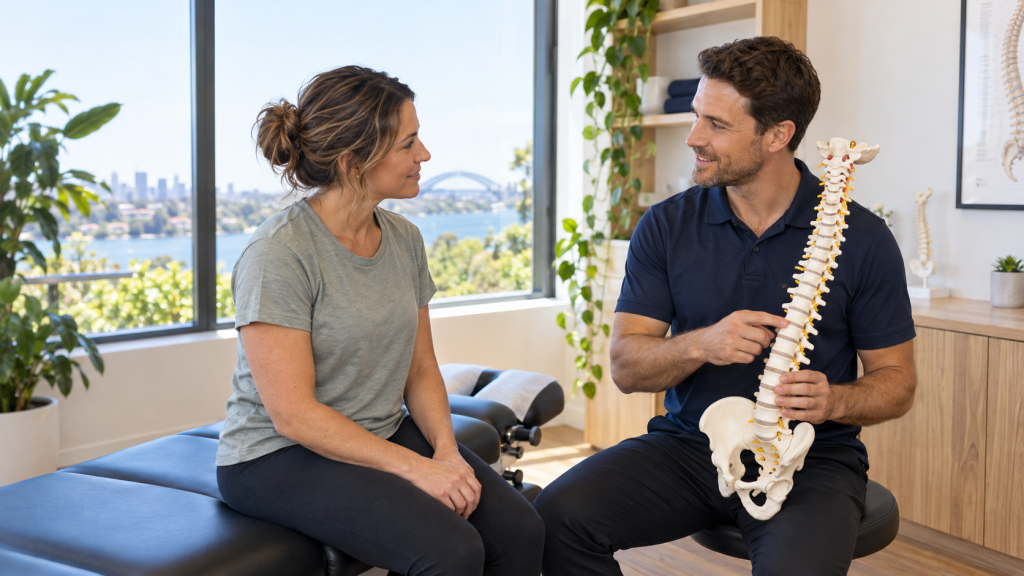


For a chiropractor Bow Bowing residents can access nearby, Spinal Care offers evidence-based care at its Ingleburn clinic. Located at 44 Cumberland Rd, Macarthur Ingleburn NSW 2565, the clinic assesses back, neck, joint and persistent pain before recommending care.
A search for a chiropractor Bow Bowing residents can attend should lead to more than a quick adjustment. Safe care starts with an individual history, physical examination, clear consent and a plan that fits your symptoms and goals. Chiropractic care may help some movement-related pain concerns, but it does not suit every condition.
The sections below explain how to compare local options, prepare for an appointment and recognise warning signs.
Key takeaways
A nearby chiropractor Bow Bowing residents can consider is located in Ingleburn. Check parking, access and appointment details before travelling. Do not choose on distance alone.
A proper assessment comes before treatment. Gentle options are available when manipulation is not preferred. Exercise and self-care should remain part of the plan.
Serious symptoms need medical assessment. New weakness, bladder changes or severe trauma should not wait. Seek urgent help instead of booking routine care.
Table of Contents
- How can Bow Bowing residents choose a chiropractor nearby?
- What problems can chiropractic care help with?
- What happens at your first chiropractic appointment?
- Is chiropractic care safe, and when should you seek medical help?
- The bottom line
- Frequently asked questions
How can Bow Bowing residents choose a chiropractor nearby?
Choosing a chiropractor near Bow Bowing means comparing clinical safety, communication and access, not only location, and a multicenter RCT comparing chiropractic and physiotherapy for chronic low back pain shows both approaches can be part of an effective, cost-effective care pathway. A chiropractor Bow Bowing patients choose should assess the whole problem and explain whether conservative care is suitable. Nearby suburbs can offer more appointment choices, while Campbelltown Road and the M5 corridor may make Ingleburn practical for some residents.
Before booking, confirm registration with Ahpra and the Chiropractic Board of Australia. Ask about initial fees, follow-up costs, health fund claims, parking, access for mobility aids and cancellation rules. Clear answers help you plan for care without unexpected pressure or costs.
Why Spinal Care’s Ingleburn clinic is a practical nearby option
For a chiropractor Bow Bowing residents can reach locally, the Ingleburn clinic is at 44 Cumberland Rd, Macarthur Ingleburn NSW 2565. Campbelltown Road and the M5 corridor provide road access, without relying on claims about travel time. Confirm current parking arrangements and accessibility needs with the clinic before attending, particularly if you use mobility aids or need extra time between rooms.
| Local detail | What to confirm before attending |
|---|---|
| Phone, online form or email contact | Appointment type and current availability |
| Scan and report review by email | Whether an in-person examination is still required |
| Dr George Hardas | His listed qualifications, including a Master of Medicine and a Master of Science in Medicine in Pain Management |
What should you check before booking a chiropractor?
A chiropractor Bow Bowing residents book should be registered, open about costs and willing to discuss other care options. Ask whether the practitioner often sees your concern, such as lower back pain, neck pain, headaches, knee pain or persistent pain. Look for progress reviews, exercise advice and referral to a GP, physiotherapist or specialist when needed.
Ask whether private health rebates apply and whether Medicare Chronic Disease Management, DVA Gold Card or WorkCover NSW arrangements may be relevant. Eligibility, referrals and funding rules vary, so confirm details before the visit. Also ask about appointment length, preferred communication needs and whether a support person can attend.
What problems can chiropractic care help with?
Chiropractic care may help some muscle, joint and movement concerns after an individual assessment. A chiropractor Bow Bowing residents see should focus on function and safe recovery rather than promise a cure. Care can sit alongside GP care, physiotherapy, exercise rehabilitation and other allied health services.
Pain often has more than one influence. Work demands, sleep, stress, past injury, activity levels and nerve sensitivity can all affect how a person feels. A useful plan considers these factors while setting practical goals.
Back, neck, joint and persistent pain concerns
A chiropractor Bow Bowing adults consult may assess acute or ongoing low back pain, neck stiffness, some neck-related headaches, joint restriction, knee discomfort and muscle tension, and a published case report on cervical kyphosis deformity reduction illustrates how structured protocols can address chronic post-injury neck posture issues over time. Movement, workload, sleep and previous injury can affect these symptoms. Persistent pain can continue after tissue healing, so it may need a broader approach than hands-on treatment alone.
Spinal Care uses a biopsychosocial assessment that considers physical findings alongside sleep, stress, work demands and beliefs about pain. The clinic may also provide ergonomic advice for desk-based work and graded exercise plans. These plans aim to build strength and confidence at a manageable pace.
Evidence-based care combines hands-on treatment with active recovery
A chiropractor Bow Bowing patients visit may use manual therapy as one part of care. This can include spinal adjustments, joint mobilisation or soft tissue therapy for muscles and fascia. Results differ between people, and a randomised controlled trial on musculoskeletal expert input for low back pain found that hands-on care may provide modest short-term relief for some conditions.
Spinal Care may combine soft tissue therapy, graded exercise and nervous system desensitisation strategies for persistent pain, including fibromyalgia. Computer-controlled spinal decompression with the Spine MT-Core system may suit selected disc-related conditions after assessment. Chiropractic care does not replace GP care, emergency treatment, vaccination or care for non-musculoskeletal illness.
What happens at your first chiropractic appointment?
A first chiropractic appointment should establish whether care is appropriate and what matters most to you. A chiropractor Bow Bowing residents attend should take a detailed history, examine relevant movement and explain the findings clearly. You should have time to ask questions before agreeing to any procedure.
The visit may involve discussion rather than treatment alone. A safe plan sets goals, outlines options and explains when another health professional may be the better choice. You can decline treatment or ask for a different approach at any point.
Assessment, examination and imaging decisions
A chiropractor Bow Bowing patients see should ask when symptoms began, what aggravates them and whether numbness or weakness is present. Assessment may include posture, movement, muscle function, joint range and neurological checks such as strength, reflexes and sensation. The clinician should explain the working diagnosis, likely benefits, risks and other options.
Routine X-rays or MRI scans are not needed for every back or neck complaint. Spinal Care reviews digital X-rays and MRI reports using the ALARA principle, meaning radiation exposure should stay as low as reasonably achievable. Scan findings need context because common age-related changes do not always explain pain.
How to prepare and set goals for care
Preparing for a chiropractic appointment helps the clinician understand your health history and priorities. Bring medicines, referral details, health fund information, reports and scans you already have. Wear comfortable clothing that allows easy movement during the examination.
Write down symptoms, triggers, past treatment and important questions before attending. Set functional goals such as walking further, sleeping better, returning to work or lifting with more confidence. You can request clarification, pause treatment, choose another technique or decline any procedure.
Is chiropractic care safe, and when should you seek medical help?
Chiropractic care can be safe when a registered practitioner screens properly and selects techniques carefully. A chiropractor Bow Bowing residents see should adapt care to health history, examination findings and personal preference. No hands-on treatment is risk-free, so informed consent matters.
Short-term soreness, stiffness or fatigue can occur after manual therapy. These effects are often mild and temporary, but severe or lasting reactions need review. Some symptoms need urgent medical help rather than a routine appointment.
Gentle care options and informed consent
Gentle chiropractic care offers choices for people who do not want spinal manipulation or joint clicking. A chiropractor Bow Bowing patients choose should explain that a clicking sound does not mean a joint has been put back into place. Manipulation is only one option, not a requirement for every person.
Spinal Care offers low-force Activator Methods Certified care for children, older adults, pregnant women and anxious patients where suitable. Soft tissue therapy, exercise and gentle mobilisation may also be used. The treatment approach should change when your history, preferences or clinical findings call for it.
Warning signs that need urgent medical assessment
Warning signs need urgent medical assessment, not a routine chiropractor Bow Bowing booking. Seek prompt help for new bladder or bowel changes, numbness around the groin, worsening limb weakness, poor coordination, major trauma, fever, unexplained weight loss or severe unrelenting pain. Sudden severe headache, chest pain, shortness of breath, fainting, facial drooping, speech changes or new balance problems also need urgent care.
Tell the clinician about cancer history, osteoporosis, inflammatory arthritis, bleeding disorders, recent surgery or anticoagulant medicines. The Ingleburn clinic screens for concerns that fall outside conservative care and can refer for medical or surgical input. If serious symptoms occur, contact emergency services or seek urgent medical help rather than waiting.
The bottom line
For a chiropractor Bow Bowing residents can access nearby, the Ingleburn clinic offers an assessment-led option for back, neck, joint and persistent pain concerns. Spinal Care focuses on individual assessment, gentle treatment choices, active rehabilitation and regular progress reviews. Call (02) 9829 4144, book online or email clinic@spinalcare.com.au to discuss an appointment or provide scan reports.
Choose care that explains the likely problem, expected benefits, costs and alternatives in plain language. Progress should include daily function, not only pain scores. Red-flag symptoms always need urgent medical care instead of a routine chiropractic booking.
Frequently asked questions
Frequently asked questions about a chiropractor Bow Bowing residents may visit often involve referrals, rebates and treatment preferences. The answers below explain what is usually possible, while recognising that eligibility and clinical suitability vary. Confirm personal arrangements directly with the clinic, GP, insurer or claims provider.
Do I need a GP referral to see a chiropractor near Bow Bowing?
No, a GP referral is usually not needed for a private chiropractic appointment. A referral may be needed for eligible Medicare Chronic Disease Management arrangements. WorkCover NSW, DVA and insurer-funded care can also have their own referral, claim number or approval requirements.
Can private health insurance cover chiropractic treatment?
Private health extras cover may contribute towards chiropractic treatment costs. The rebate depends on your policy, waiting periods, annual limit and remaining balance. Check the expected out-of-pocket cost with both your insurer and the clinic before the appointment.
Can I request gentle treatment without spinal manipulation?
Yes, you can decline spinal manipulation and request another approach. Low-force Activator Methods care, soft tissue therapy, exercise and education may be suitable options after assessment. Consent continues throughout care, so you can pause or change your decision.
Can chiropractic care be used during pregnancy?
Chiropractic care during pregnancy needs an individual assessment. Low-force options may be considered according to health history, symptoms and personal preference. Tell the clinician about your pregnancy and any medical concerns before treatment begins.
Can a chiropractor help with a workers compensation claim?
A chiropractor may support a WorkCover NSW claim when eligibility and approval requirements are met. Ask about claim numbers, insurer rules and any treating-doctor documents before attending. Do not assume care is funded until the insurer or clinic confirms it.
What is the difference between a chiropractor and a physiotherapist?
Chiropractors and physiotherapists are registered allied health professionals who may help with musculoskeletal pain and movement concerns. Their training, scope and treatment methods differ. The best choice depends on your condition, preferences and whether coordinated care is needed.
Can I send my MRI or X-ray report before booking?
Yes, scan and report enquiries can be emailed to clinic@spinalcare.com.au before booking. Imaging findings still need consideration alongside symptoms and a physical examination. A scan alone does not always identify the source of pain. Need help choosing your next step? Contact Spinal Care: https://spinalcare.com.au/contact/. Learn more about treatment options: https://spinalcare.com.au/chiropractic-treatment-for-back-and-joint-pain/. General health information: https://www.healthdirect.gov.au/chronic-pain. Learn more about chronic pain care: https://spinalcare.com.au/managing-chronic-pain/.