

Introduction
According to the Australian Institute of Health and Welfare, tens of thousands of Australians are hospitalised each year for sports injuries, with running a key contributor. For anyone dealing with running injuries in Sydney, that matters because most problems do not feel minor when every step hurts. They interfere with work, family time and training goals.
Chiropractic care may help some runners with shin splints and IT band pain by easing musculoskeletal irritation, improving joint movement and guiding exercise. It usually works best as one part of a broader rehab plan, alongside training load adjustments, strength work, footwear review and, at times, input from a physio, GP or sports physician. Spinal Care follows this evidence-led approach rather than relying on quick adjustments alone.
This article explains what shin splints and IT band syndrome are, why running injuries in Sydney are so common, and how a running-focused chiropractor can fit into modern rehab. You will also see how to manage load, plan a safe return to running, and recognise red flags that need medical review. The aim is to offer a calm, practical path back to more confident running.
Key Takeaways
-
Running injuries are usually load related, not mysterious damage that appears out of nowhere. Training changes, work demands and life stress often add together. When these exceed your current tissue capacity, pain tends to appear in tendons, bones or joints.
-
Shin splints and IT band syndrome need clear diagnosis before you decide on treatment. Medial shin pain can reflect bone stress, while lateral knee pain may relate to several structures. A careful assessment in a Sydney clinic helps separate simple overload from stress fracture or ligament injury.
-
Chiropractic care is one part of a broader rehab plan for running injuries in Sydney. For many runners, the best results come when chiropractic sits alongside strength training, load planning, and input from physios, sports doctors or GPs. No single therapy covers every need.
-
Safe load management and strength training drive recovery more than passive care alone. Research in the British Journal of Sports Medicine indicates structured strength work can almost halve overuse injury rates in athletes. Exercise is central, not optional.
-
Knowing red flags helps you act promptly when symptoms are more serious. Inability to bear weight, major swelling, severe night pain, suspected stress fracture, neurological changes or sudden calf swelling with redness all need timely medical review in Sydney, not just manual therapy.
“Most running injuries are training problems, not permanent damage. Adjust the plan, support the body, and in many cases the tissue will adapt.” – Adapted from principles promoted by Sports Medicine Australia
What Are The Most Common Running Injuries In Sydney?
Common running injuries in Sydney are mainly overuse problems that appear when training load outpaces the strength of your tissues. For many City2Surf, Parkrun or Blackmores Sydney Running Festival participants, issues like shin splints and IT band syndrome settle best when care includes:
- Load changes
- Strength and conditioning
- Footwear review
- Input from a chiropractor, physiotherapist or GP as needed
According to Sports Medicine Australia, up to seven in ten recreational runners experience an overuse injury in a twelve‑month period. Around Sydney, that often shows up as lower leg, knee or heel pain rather than one big traumatic incident. Busy work schedules, long commutes and irregular sleep can all lower recovery capacity, adding to the problem.
Spinal Care often sees runners whose leg symptoms are influenced by spinal or pelvic mechanics as well as local tissue overload. That is where a combined spinal and sports focus can help line up the whole picture.
Overview Of Common Running Injuries In Sydney
Running injuries in Sydney cluster around a few well-known patterns:
-
Medial tibial stress syndrome (shin splints)
Aching along the inner shin, especially once training loads increase on hard paths around the harbour or in the Royal National Park. -
Iliotibial band syndrome (ITBS)
Sharp or burning pain on the outer knee, commonly flaring on coastal hills such as Bondi to Coogee. -
Patellofemoral pain (runner’s knee)
Diffuse ache around the kneecap with stairs, hills and prolonged sitting. -
Achilles tendinopathy
Stiffness and soreness at the back of the ankle, particularly on cold mornings or after hill repeats. -
Plantar heel pain (often plantar fasciopathy)
Sharp first‑step pain under the heel after long days on tiles or long runs around Parramatta River.
Across these conditions, the recurring pattern is a mismatch between load and capacity. Quick increases in distance, extra hills, worn shoes, long standing shifts and reduced sleep all push tissues beyond their current tolerance. At Spinal Care, assessments often reveal contributing factors higher up the chain, such as reduced hip strength or lumbar stiffness that alters how forces travel through the leg.
Simple Injury Overview Table For Sydney Runners
| Condition | Typical Location Of Pain | Key Symptoms (Brief) | First-Step Self-Management |
|---|---|---|---|
| Shin splints (MTSS) | Inner border of shin | Diffuse aching along shin with running, eases then returns | Cut back distance and hills, avoid hard surfaces, seek assessment if pain lingers |
| IT band syndrome | Outer side of knee | Sharp or burning lateral knee pain, worse on downhills and stairs | Shorten runs, reduce hills, stay on flatter routes, book review if walking becomes painful |
| Patellofemoral pain | Around or behind kneecap | Ache with stairs, squats, hills, sitting with bent knees | Reduce painful activities, avoid deep squats, begin gentle quad and hip strength work |
| Achilles tendinopathy | Back of heel or lower calf | Morning stiffness, pain with running, hopping or calf raises | Ease off hills and speed, start controlled calf strengthening, seek help if stiffness worsens |
| Plantar heel pain | Underneath heel, often inner side | First‑step pain in morning, worse after long standing or long runs | Limit bare feet on hard floors, review shoes, try calf and plantar stretches, seek advice if pain persists |
This table can guide first steps, but it cannot replace a proper clinical assessment. Accurate diagnosis in a Sydney clinic is important to rule out stress fractures, nerve-related pain or systemic illness that may mimic simple overuse problems.
What Are Shin Splints And How Are They Managed In Sydney?
Shin splints in runners usually describe medial tibial stress syndrome, a load‑related problem of bone and surrounding soft tissues along the inner shin. Effective management for running injuries in Sydney needs to:
- Separate this condition from true tibial stress fractures
- Combine load changes, strength work and footwear review
- Include, for some runners, chiropractic or physiotherapy care
Research on forces and lower limb kinematics, including studies exploring Are the Forces and lower limb mechanics associated with medial tibial stress syndrome, suggests this condition accounts for up to about one in six running injuries. That makes it one of the most frequent complaints in distance runners.
Shin Splints Causes, Symptoms And Red Flags
Medial tibial stress syndrome affects the border of the tibia where muscles and fascia attach. Pain usually appears as a diffuse ache or burning along a strip of the inner shin during a run. Symptoms may ease as you warm up, only to return later in the session or afterwards.
Common contributing factors include:
- Rapid jumps in training distance, weekly sessions or pace
- More hill work, especially on routes around Mosman or the Eastern Suburbs
- Hard or cambered Sydney footpaths
- Calf weakness or tightness
- Flat or very high arches
- Worn shoes or models poorly matched to your foot type
- Previous leg injuries, low bone density or low energy intake
A tibial stress fracture behaves differently. Pain is often sharply localised to one point, hurts with hopping or walking and may persist at rest or at night.
Red flags that call for GP or sports physician review, and often imaging, include:
- Inability to bear weight or a clear limp
- Marked swelling or deformity
- Severe pinpoint bone tenderness
- Severe night pain or pain at rest
- Known history of osteoporosis
- Features suggesting Relative Energy Deficiency in Sport (for example, menstrual changes, low energy availability, recurrent stress injuries)
These situations need medical assessment rather than simply more manual therapy.
Evidence-Based Shin Splints Treatment And Rehabilitation In Sydney
Shin splints rehabilitation starts with sensible load changes rather than total rest wherever safe:
- Reduce distance and drop hills and speed work
- Shift to flatter routes such as The Bay Run while pain settles
- Consider walk–run intervals
- Use low‑impact options like cycling, swimming or deep‑water running to maintain fitness
Strength and conditioning are central. A program commonly includes:
- Straight and bent‑knee calf raises (double leg → single leg → loaded)
- Hip and core exercises such as bridges and side steps
- Foot and ankle control drills on one leg to improve shock absorption
Footwear and broader Prevention and Rehabilitation Strategies need careful attention when managing medial tibial stress syndrome in distance runners.
- Replace worn shoes, especially if the midsole feels flat or compressed
- Phase in big changes in stack height or support level over several weeks
- Many runners do well by alternating between two shoe models during a transition
Chiropractic care in Sydney can sit within this broader plan. At Spinal Care, clinicians:
- Assess the whole leg, pelvis and spine
- Separate local shin pathology from referred pain related to lumbar discs or nerve irritation
- Use targeted spinal or ankle adjustments where joint restriction contributes to overload
- Offer gentle Activator Methods for older or more sensitive patients
- Provide education on graded exposure, pacing and self‑management
- Collaborate with physiotherapists or sports physicians when needed
The focus is on supporting tissue adaptation rather than just chasing short‑term pain relief.
What Is IT Band Syndrome And Why Does It Cause Lateral Knee Pain In Runners?
Iliotibial band syndrome (ITBS) is a common source of outer knee pain in runners, especially on the hills and coastal paths that feature strongly in running injuries in Sydney. It develops when repeated bending and straightening of the knee compresses sensitive tissues beneath the iliotibial band near its insertion on the femur.
Studies reviewing Runners injuries – main types affecting the musculoskeletal system suggest that lateral knee problems like IT band syndrome can represent up to around a tenth of running‑related injuries. Most cases respond to load changes, strength work and, where needed, technique tweaks.
Causes And Symptoms Of IT Band Syndrome In Sydney Runners
Typical features of IT band pain include:
- Sharp or aching sensation on the outer side of the knee
- Symptoms starting after a fairly predictable time or distance into a run
- Gradual intensification that may force you to stop
- Worsening with downhill running and fast descents on stairs
- Relief with flat walking in many cases
Modern thinking points to compression of fat and other soft tissues beneath the band, rather than friction from the band sliding over bone.
Contributing factors often include:
- Sudden increases in hill training (for example, Heartbreak Hill, Manly to Spit track)
- Rapid jumps in weekly mileage
- New speed sessions added too quickly
- Hip abductor weakness and poor single‑leg control
- Running on the same cambered side of a road or foreshore path every time
Red flags that suggest a different diagnosis include:
- Direct blow to the knee
- Major swelling or obvious deformity
- Locking, giving way or catching
- A sense that the knee cannot straighten or bend fully
In those situations, ligaments or the meniscus may be involved, so GP or sports doctor review and possible imaging are appropriate before you keep training.
IT Band Syndrome Treatment, Exercises And Running Load Management
Management of IT band syndrome begins with adjusting running to a level the knee tolerates without strong flare‑ups:
- Shorten runs
- Avoid steep downhills
- Stick to flatter loops such as Centennial Park or local ovals for a period
- Use run–walk intervals to stay active while symptoms settle
Strength and control work are a key part of any plan. Programs commonly include:
- Hip abductor and external rotator exercises (for example, side steps with a band)
- Single‑leg squats to a box
- Lateral step‑downs
- Progressive quadriceps, hamstring and calf strengthening
- Later introduction of hopping and other plyometrics once pain allows
These drills help the outer knee tolerate longer runs and hills again.
Small technique changes may assist some runners:
- Slightly higher cadence (by about five to ten per cent) to reduce overstriding and lower knee forces, as noted in research discussed by the British Journal of Sports Medicine
- Controlling pace on descents rather than sprinting downhill
- Checking that shoes are not excessively worn or radically different in drop from your previous pair
Spinal Care’s approach places IT band syndrome within your whole movement pattern. Clinicians:
- Assess pelvis, lumbar spine and hip mechanics that may alter tension through the band
- Use targeted spinal and peripheral joint adjustments where restriction or irritation is found
- Combine this with soft tissue techniques around the lateral thigh and gluteal region
- Support symptom relief while strength work builds capacity
- Provide education to help you gradually face previously feared movements and regain confidence
How Can Chiropractic Care Help With Running Injuries In Sydney?
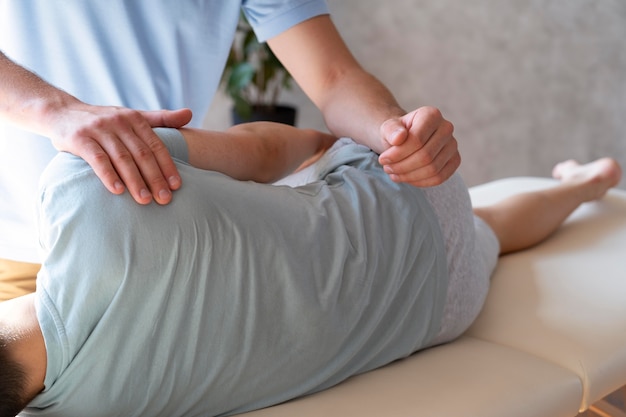
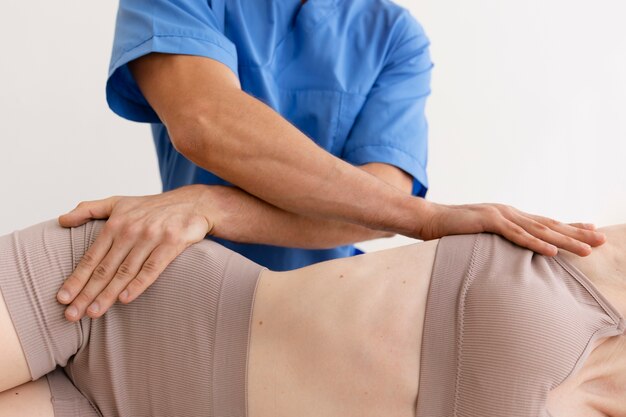
Chiropractic care can support some runners with running injuries in Sydney by:
- Improving joint mobility
- Easing pain in the short term
- Guiding exercise and load decisions as part of a broader plan
It usually works best when combined with support from your GP, physio, coach or podiatrist where appropriate.
Evidence summaries from organisations such as the National Institute for Health and Care Excellence highlight that manual therapies can have a role for spinal and some peripheral joint pain when combined with active rehabilitation. Spinal Care follows this conservative, research‑informed model rather than suggesting that adjustments alone will resolve complex conditions like shin splints or IT band syndrome.
What To Expect At A Running-Focused Chiropractic Assessment In Sydney
Research on Electromyography patterns during running in injured versus healthy runners highlights why a thorough running‑focused consultation is essential, and typically includes a detailed history, physical examination and biomechanical assessment.
-
Detailed History
Your chiropractor will ask about:
- How and when symptoms started
- Distances, paces and terrains you currently use
- Recent changes such as City2Surf training, new shoes or different gym routines
- Co‑existing back or neck pain, sciatica or previous or previous injuries
- Pregnancy, WorkCover or DVA or DVA considerations
- Medicare Chronic Disease Management referrals where relevant
-
Physical And Biomechanical Examination
This often reviews:
- Mobility of the spine, hips, knees and ankles
- Strength in calves, quadriceps, hamstrings, gluteals and core
- Single‑leg tasks such as step‑downs, balance holds and light hops if comfortable
- Gait and running style, either on a treadmill or videoed over ground to check cadence, stride length and hip control
-
Additional Assessment Tools Where Appropriate
At Spinal Care, extra tools may include:
- Bio‑psychosocial assessment to identify fear of movement, unhelpful beliefs or stressors
- AI‑assisted posture analysis to highlight subtle asymmetries
- Digital X‑rays where clinically indicated, used in line with ALARA principles (for example, when structural spinal issues or marked degenerative change may alter management)
The goal is a clear working diagnosis and plan. Where findings point to stress fracture, significant neurological signs or systemic illness, prompt medical referral follows. Where problems are load‑related overuse conditions, a combined program of manual care and targeted exercise can usually proceed safely.
Spinal Care’s 5-Step Journey For Runners Treatment, Rehabilitation And When To Refer
Dr George Hardas leads Spinal Care’s research‑informed five‑step journey, shaped by his background in orthopaedic research and a Master of Science in Medicine with a focus on Cognitive Behavioural Therapy. The process aims to move beyond the painful site and identify underlying spinal, biomechanical and psychosocial drivers for recurrent running pain.
Treatment options for runners may include:
- Precise chiropractic adjustments to lumbar, pelvic, hip, knee or ankle joints where restriction is found
- Low‑force Activator Methods for older adults, pregnant women or anxious patients
- Soft tissue work around calves, hamstrings, gluteals and lumbar muscles to improve comfort so you can participate in rehab
- Non‑surgical spinal decompression with the Spine MT Core system when leg pain stems from lumbar disc irritation or sciatica rather than local running overload
Sports injury rehabilitation programs then target the capacities you need for your goal distances. These plans commonly include:
- Graded hip, core and calf strengthening
- Carefully re‑introduced plyometrics
- Drills relevant to hills, speed or longer events
- Education on pacing, flare‑up management and realistic expectations (without fixed promises of recovery timeframes)
Referral and shared care are built into the model. Situations that prompt co‑management with GPs, sports physicians or orthopaedic specialists include:
- Suspected stress fractures
- Significant night pain or rest pain
- Unexplained weight loss or systemic symptoms
- Marked neurological deficits
- Signs of systemic disease
Podiatrists may join the team for complex foot mechanics. Access pathways can include bulk‑billed Medicare Chronic Disease Management plans, DVA Gold Card coverage and approved WorkCover claims, which may make ongoing evidence‑led care more accessible for many Sydney runners.
How Do You Safely Manage Load, Rehab And Return To Running?
Safe management of running injuries in Sydney rests on three main pillars:
- Adjusting training load
- Building strength and capacity
- Monitoring symptoms over time
Rest alone may settle pain in the short term, but without capacity building, issues tend to return when you resume normal running.
Research summaries in the British Journal of Sports Medicine indicate that planned strength training can cut overuse injury rates in athletes by nearly half, a finding further supported by work Utilising Inertial Measurement Units and force–velocity profiling to explore how biomechanical factors contribute to running-related injury. For runners, that means gym work is a key part of rehab and prevention, not an optional extra.
Load Management And Strength Training Basics For Injured Runners
The load versus capacity idea is straightforward:
- Your joints, tendons and bones can only handle a certain amount of stress at their current strength level.
- Large jumps in weekly kilometres, more hills, faster paces or extra sessions in a short time can tip that balance and set the scene for injury.
Practical load changes often include:
- Cutting overall distance for a few weeks
- Reducing or pausing hill sessions and speed work
- Trimming weekly run frequency
- Swapping one or two runs for low‑impact cardio such as cycling, pool running or the elliptical
Strength work should usually occur at least twice per week for most injured runners and focus on:
- Calves (straight‑ and bent‑knee raises)
- Hips and gluteals
- Quadriceps and hamstrings
- Trunk and pelvic stability (core)
Early stages often use body weight in controlled, pain‑aware ranges. Over time, you can progress by:
- Adding external load
- Moving from two‑leg to single‑leg variations
- Introducing more dynamic elements like hops and bounds once pain allows
Mobility work should target genuine restrictions, such as poor ankle dorsiflexion or clearly tight hip flexors, rather than long sessions of general stretching without a specific aim.
A sports chiropractor or physiotherapist can help design this program around your age, injury history and health conditions. At Spinal Care, planning also considers spinal health, chronic pain or scheme‑related factors, so your rehab fits your wider health picture rather than treating the shin or knee in isolation.
Return-To-Run Planning And When To Seek Physio, GP Or Specialist Review
A sensible return to running usually starts when:
- Everyday walking is comfortable
- Pain during basic strength work is low and predictable
Many runners begin with walk–run intervals, for example:
- One minute easy jog, followed by one to two minutes walking
- Repeat over twenty to thirty minutes
Progress often involves:
- Gradually increasing total time
- Extending the running segments, or
- Reducing walk breaks
Pain during a run that stays mild and settles within a day or so is often acceptable. Warning signs that you may have pushed too hard include:
- Pain that builds sharply during a run
- Pain that forces you to limp
- Marked increase in pain or stiffness the next morning
Keeping a simple log of distance, terrain, pain during, pain after and morning stiffness can help you and your clinician fine‑tune the plan.
Physio or sports physician input becomes especially helpful when:
- Injuries involve multiple joints
- You have higher performance goals or race schedules
- Tendon pain has not improved with early measures
- You need injections, medications or more detailed investigations
Collaboration between these professionals and a running‑focused chiropractor, such as the team at Spinal Care, can give you a broader toolkit.
Red flags needing urgent or semi‑urgent GP or emergency review in Sydney include:
- Inability to bear weight after an incident
- Major joint swelling or obvious deformity
- Severe night pain or persistent rest pain
- Systemic symptoms such as fever, chills or unexplained weight loss
- Sharply localised bone tenderness suggesting stress fracture
- New numbness, weakness, or changes in bowel or bladder control
- Sudden calf swelling with redness and warmth (possible deep vein thrombosis)
- Leg pain occurring with chest pain or shortness of breath – call 000 immediately
Spinal Care works within this safety framework and refers promptly whenever such warning signs appear.
Putting It All Together
Running injuries in Sydney such as shin splints and IT band syndrome are common, but they rarely mean you must give up the sport you enjoy. In many cases, they reflect a temporary imbalance between training load, recovery and tissue strength against the backdrop of busy work and family life. With a structured plan, many runners return to comfortable running and often feel more resilient than before.
Chiropractic care can help by improving joint movement, easing pain and providing structured advice on exercise and load. At Spinal Care, this sits within a broader, evidence‑informed approach that also values strength training, gait review, education and collaboration with physios, GPs, sports physicians and podiatrists. Dr George Hardas’ background in orthopaedic research and Cognitive Behavioural Therapy supports care where fear of movement or persistent pain complicate progress.
For you as a Sydney runner, the practical message is:
- Listen to early niggles rather than always pushing through
- Adjust training before pain escalates
- Prioritise strength work for calves, hips and core
- Stay alert to red flags such as severe night pain, inability to bear weight, major swelling, suspected stress fracture or neurological symptoms
- Seek prompt medical assessment when those warning signs appear
An individual assessment, whether at Spinal Care or with another trusted clinician, will always beat generic internet advice when it comes to planning your next safe steps.
Frequently Asked Questions
Question: Can I Keep Running If I Have Shin Splints Or IT Band Syndrome?
You can sometimes keep running with mild shin or outer knee pain, as long as symptoms stay low and settle quickly afterwards. Reducing distance, hills and speed, and using run–walk intervals, often helps. Stop and seek professional advice if pain worsens, alters your gait or starts hurting during everyday walking.
Question: How Long Do Running Injuries Like Shin Splints Usually Take To Settle?
Running injuries such as shin splints generally settle over weeks to months rather than days. Timeframes depend on severity, how long you ran through pain, your strength, age and other health conditions. Focus on gradual improvement in function and symptom patterns instead of fixed deadlines, and review progress regularly with your clinician.
Question: When Is Chiropractic Care Appropriate Versus Physiotherapy For Running Pain?
Chiropractic and physiotherapy both assess movement, provide manual care and prescribe exercises. Many runners do well with either discipline, or with shared care. A running‑focused chiropractor at Spinal Care may be particularly helpful when spinal or sciatic pain co‑exists, when you prefer low‑force techniques, or when fear of movement is a major barrier.
Question: Do I Need Scans (X-Ray Or MRI) For My Running Injury?
Most running injuries can be diagnosed clinically without immediate scans. Imaging becomes more relevant when there is concern about a stress fracture, significant structural damage, an unclear diagnosis or concerning red flags. Spinal Care uses digital X‑rays only when results are likely to change management and works with GPs or specialists for further imaging such as MRI when needed.
Question: Are Chiropractic Adjustments Safe For Older Runners Or Pregnant Women In Sydney?
Chiropractic care can be delivered safely for older adults and older adults and pregnant women when screening and technique selection are careful. Low‑force methods such as Activator Methods are often suitable for these groups. An individual assessment, along with communication with your GP or obstetric team, helps match the style of care to your specific needs.
Question: Can A Sports Chiropractor Help Prevent Future Running Injuries?
A sports chiropractor can help lower future injury risk by reviewing gait and posture, planning strength work, and checking shoes and training structure. At Spinal Care, biomechanical and postural assessments highlight early risk factors so you can address them before they escalate. No approach can guarantee an injury‑free future, but structured, evidence‑based care can improve resilience and support long‑term running.