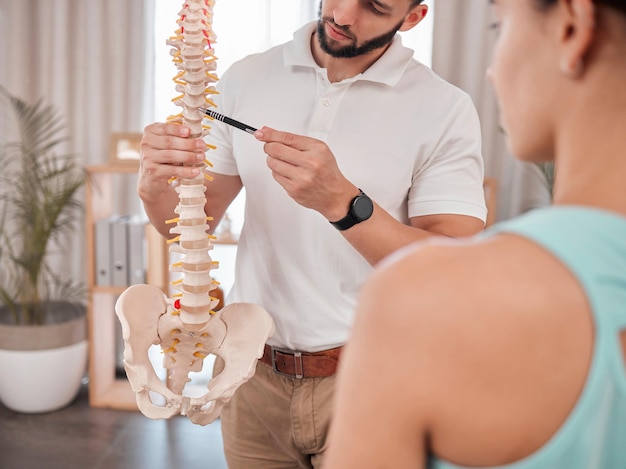


A headache from neck pain can feel like a persistent throb, pressure, or ache that starts around the base of the skull and travels into the head. The most effective relief usually comes from identifying the neck issue causing the pain, then combining professional diagnosis, targeted treatment, and active self-care.
This includes chiropractic adjustments to correct spinal dysfunction, soft tissue therapy for muscle tension, ergonomic improvements at your desk, specific exercises to strengthen supporting muscles, and better posture habits to reduce daily strain.
This integrated approach addresses the root cause rather than just masking the symptoms. By understanding the connection between your cervical spine and head pain, you can discover a path to lasting relief.
Let’s explore the signs, causes, and effective strategies for managing a headache from neck pain.
Key Takeaways
-
Neck dysfunction is a common but often overlooked cause of headaches, referred to as cervicogenic headaches.
-
Cervicogenic headaches have distinct symptoms, including one-sided pain and aggravation with neck movement.
-
Modern lifestyle factors like poor posture, stress, and screen time are significant contributors to this condition.
-
A professional assessment is necessary to identify the specific anatomical structures causing the pain.
-
A combination of professional guidance from clinics like Spinal Care and active self-care offers the most sustainable relief.
Jump to section
- Is Your Headache Truly Coming From Your Neck? Understanding Cervicogenic Headaches
- Recognising the Signs: Common Symptoms of Neck-Related Headaches
- What Causes Headaches from Neck Pain? Modern Lifestyle and Beyond
- Finding Lasting Relief: How Spinal Care Addresses Headaches from Neck Pain
- Empowering Your Recovery: Self-Care and Prevention Strategies
- Unburdening Your Head: Moving Towards Lasting Neck Pain Relief
- Frequently Asked Questions
Is Your Headache Truly Coming From Your Neck? Understanding Cervicogenic Headaches
The link between your neck and head is more direct than many people realise. A significant number of recurring headaches actually originate from problems within the cervical spine. These are known as cervicogenic headaches (CGH), and they are classified as secondary headaches. This means the pain you feel in your head is a symptom of an underlying mechanical issue in your neck, not a primary condition like a migraine.
Understanding this distinction is the first step toward effective treatment. Instead of relying on pain medication that only temporarily dulls the signal, addressing the source of the problem in the neck can provide a more permanent pathway to wellness. For many chronic pain sufferers, identifying the cervical origin of their headaches is the missing piece of their recovery puzzle.
“Understanding the subtle signals your body sends is the first step towards true health. Often, a headache isn’t just in your head, but a call for attention from your neck.” – Leading Australian healthcare professionals
What Is a Cervicogenic Headache (CGH)?
A cervicogenic headache is pain that is referred to the head from a specific source in the neck. It occurs when joints, muscles, or nerves in your upper cervical spine become irritated or dysfunctional. This dysfunction sends pain signals up to the brain, but the brain misinterprets their origin, making you feel the pain in your head.
This process of referred pain from the neck happens because of a nerve hub in your brainstem called the trigeminocervical nucleus (TCN). Here, sensory nerves from your upper neck converge with the trigeminal nerve, which supplies sensation to your face and head. Because they share this common pathway, the brain can’t easily distinguish between pain signals from the neck and those from the head. As a result, a restricted joint or a tight muscle at the base of your skull can cause a debilitating headache from neck pain, even if your head itself has no issue. This complex interaction highlights why accurately diagnosing the source of your headache is so important.
How Does Neck Dysfunction Lead to Head Pain? The Anatomical Link
The upper part of your cervical spine is an incredibly complex and mobile area, making it susceptible to dysfunction that leads to a neck pain and headache connection. Several specific structures are commonly involved when neck issues cause head pain.
The joints at the very top of your spine, including the atlanto-occipital joint (C0-C1), responsible for nodding, and the atlanto-axial joint (C1-C2), largely responsible for head rotation, are particularly crucial. When these joints become stiff, misaligned, or irritated, they can directly affect surrounding nerves and refer pain signals to the head. Similarly, the C2-C3 facet joints are another frequent source of pain signals, extending up into the head.
Additionally, the small suboccipital muscles at the base of the skull can become chronically tight due to poor posture, stress, or repetitive strain. This tightness can compress the occipital nerves, a condition known as occipital neuralgia, which causes a sharp, burning, or aching headache at base of skull. At Spinal Care, our approach focuses on accurately diagnosing and treating this underlying cervical spine dysfunction to address the true source of your headache.
Recognising the Signs: Common Symptoms of Neck-Related Headaches
Identifying whether your headache is coming from your neck is vital for finding the right treatment. Cervicogenic headaches present with a distinct set of clinical markers that help differentiate them from other common headache types. Paying attention to these signs can provide important clues about the origin of your pain.
One of the most telling signs is a mechanical relationship between your neck and your head pain. If specific neck movements or sustained postures consistently trigger or worsen your headache, it strongly suggests a cervical cause. Differentiating a cervicogenic headache from a migraine or a tension headache neck is the first step toward a targeted and effective treatment plan.
What Are the Common Symptoms of a Headache Caused by Neck Tension?
A headache caused by neck tension typically has several key characteristics that set it apart. Understanding these symptoms can help you determine if your pain may be originating from your neck.
-
One-Sided Pain: The headache is usually felt on one side of the head and does not switch sides. The neck pain is also generally on the same side as the head pain.
-
Pain Pathway: Pain often begins at the base of the skull or in the upper neck and radiates forward. It can travel over the top of your head to the forehead, temple, or result in a headache behind eyes neck pain.
-
Mechanical Triggers: The headache is frequently brought on or made worse by specific neck movements, holding your head in one position for a long time (such as while using a computer), or when pressure is applied to certain tender spots on your neck or shoulders.
-
Stiffness and Reduced Motion: You may notice significant neck stiffness and headache together. Turning your head, looking up, or looking down might feel restricted and painful, indicating limited cervical range of motion.
-
Accompanying Neck Pain: An obvious sign is an upper neck pain headache, where you feel tenderness, aching, or tightness in the neck and shoulder muscles on the affected side.
-
Other Associated Symptoms: Less commonly, some individuals may also experience lightheadedness, dizziness, or even visual disturbances alongside their neck-related headache.
How to Differentiate Cervicogenic Headaches from Migraines or Tension Headaches Neck
While symptoms can sometimes overlap, there are clear distinctions that can help you and your healthcare provider identify the type of headache you are experiencing.
-
Cervicogenic Headaches: These are almost always unilateral (one-sided) and are directly provoked by neck movement or sustained posture. A key feature is a reduced range of neck motion and a steady, non-throbbing ache. Understanding the concept of referred pain neck headache is central to identifying it.
-
Tension-Type Headaches: This type of headache usually causes a bilateral, pressing, or tightening sensation, often described as feeling like a tight band around the head. While neck and shoulder muscles may feel tender, the headache is not typically worsened by routine physical activity or specific neck movements.
-
Migraines: Migraines are characterised by a throbbing or pulsating pain and are often accompanied by other debilitating symptoms. These can include nausea, vomiting, and extreme sensitivity to light (photophobia) and sound (phonophobia). Migraines usually last longer and are often preceded by an “aura.”
What Causes Headaches from Neck Pain? Modern Lifestyle and Beyond
The reasons behind a headache from neck pain are varied, but many can be traced back to the pressures of modern life. Our daily habits, from how we work to how we relax, place considerable strain on the cervical spine. A leading cause is poor posture, particularly the ‘tech neck‘ posture commonly adopted when using computers, tablets, and smartphones.
Beyond posture, other factors like acute injuries from sports or accidents, the physical manifestation of stress, and the natural process of ageing can all contribute to cervical dysfunction. Understanding these root causes is essential for developing effective prevention strategies and a successful plan for neck related headache treatment.
How Do Posture and Headaches Intersect in Daily Life?
The relationship between posture and headaches is a direct one, rooted in simple biomechanics. Prolonged periods of sitting with a forward head posture, particularly common for desk workers, dramatically increase the load on the cervical spine. For every 2.5 centimetres your head moves forward from your shoulders, the effective weight on your neck doubles. This sustained strain creates a muscular imbalance known as Upper Crossed Syndrome, where deep stabilising muscles at the front of the neck become weak while the muscles at the back of the neck and shoulders become chronically tight.
This constant tension in the suboccipital and upper trapezius muscles leads to headaches from tight neck muscles and irritates the sensitive joints and nerves in the upper neck. It’s a common cause of tension headaches from posture and desk posture headaches. At Spinal Care, we address these issues with our Postural Correction Treatment and provide Ergonomic Assessments and Workplace Advice for Sydney workers to help correct the habits that cause headache from poor posture.
Other Contributors: Injuries, Stress, and Age-Related Changes
While poor posture is a major factor, it’s not the only cause of a cervical spine headache. Several other contributors can lead to the dysfunction that triggers head pain.
-
Sports Injuries and Whiplash: Sudden impacts, common in contact sports, or the rapid acceleration-deceleration of a whiplash injury can damage the ligaments, discs, and joints of the neck. This trauma often leads to chronic instability, inflammation, and muscle guarding, resulting in persistent headaches long after the initial injury.
-
Stress and Muscle Tension: Psychological stress frequently causes people to unconsciously tense their neck and shoulder muscles. This sustained contraction can create painful trigger points and restrict joint movement, significantly contributing to headaches caused by neck tension. The physical manifestation of emotional stress can be a powerful driver of chronic pain.
-
Ageing and Degeneration: Natural age-related changes like osteoarthritis (cervical spondylosis) can lead to the formation of bone spurs and narrowing of joint spaces within the neck, and understanding headaches attributed to cranial and cervical vascular disorders adds further context to how complex structural changes can drive chronic head pain. These changes can irritate upper cervical nerves and compromise spinal function, causing a chronic neck headache. Spinal Care provides Gentle and Specialised Care for elderly patients experiencing these issues.
Finding Lasting Relief: How Spinal Care Addresses Headaches from Neck Pain
Finding a lasting solution for a headache from neck pain requires an approach that goes beyond temporary symptom relief. At Spinal Care, we utilise a comprehensive, evidence-based model to accurately diagnose and treat the underlying cause of your pain. Our goal is to restore proper function to your cervical spine, thereby eliminating the source of the headache.
We believe in a non-invasive, drug-free pathway to recovery. By employing precise diagnostic tools and targeted treatments like Spinal Manipulative Therapy, we address the mechanical problems in your neck that medications cannot fix. This patient-centred approach aims to provide you with a personalised care plan designed for durable, long-term results.
How Does Spinal Care Diagnose and Treat Neck-Related Headaches?
An accurate diagnosis is the foundation of effective cervicogenic headache treatment. Our diagnostic process begins with a detailed patient history and a thorough physical examination, including palpation of the neck and shoulder muscles, and comprehensive range of motion tests. We may also use specific orthopaedic tests like the Cervical Flexion-Rotation Test (CFRT), a highly reliable indicator of upper cervical joint dysfunction. Dr. George Hardas’s expertise, drawn from research at institutions like RNSH and the PMRI, informs our precision diagnostics, ensuring a thorough evaluation.
Our primary clinical tool is Spinal Manipulative Therapy (SMT). This involves specific, controlled adjustments to restricted spinal segments to restore mobility, reduce nerve irritation, and alleviate muscle tension – a method supported by numerous randomised controlled studies, including research on the effects of neck-exercise and health promotion interventions on headache outcomes in office workers. For patients who require a gentler approach, including elderly patients or those with acute pain, we use specialised, non-invasive techniques like the Activator Method alongside soft tissue therapy to release tight neck muscles.
What Makes Spinal Care’s Approach Distinct for Chronic Neck Headache Sufferers?
For those suffering from a chronic neck headache, the Spinal Care approach offers a distinct and comprehensive path to recovery. We focus on treating the root cause by addressing the underlying cervical spine dysfunction, which typically leads to more durable outcomes compared to just managing symptoms. Our methods are entirely non-invasive and drug-free, providing a safe alternative for patients who have not found relief with pharmaceutical approaches.
What truly sets us apart is our holistic, whole-body model. We incorporate CBT-informed strategies to help patients gently retrain their brain’s pain response, which is particularly helpful for those with long-term pain. This is part of our structured 5-Step Process that develops personalised care plans, including home exercises, ergonomic advice, and lifestyle modifications. With clinics in Ingleburn and Kogarah Bay, Sydney, we provide accessible, expert care, as demonstrated in our case studies showing excellent results for patients with chronic neck pain and even a 95-year-old patient with debilitating neck pain.
Empowering Your Recovery: Self-Care and Prevention Strategies
Professional treatment is essential for correcting underlying spinal issues, but actively adopting self-care and prevention strategies is the key to maintaining long-term neck headache relief. Small, consistent changes to your daily habits can significantly reduce the strain on your neck and prevent the recurrence of a headache from neck pain.
By becoming more aware of your posture, ergonomics, and how you manage stress, you can take an active role in your recovery. These strategies, combined with professional guidance, create a robust framework for a life free from neck-related headaches. They are simple yet effective tools to protect your cervical spine from the demands of modern life.
Practical Steps for Neck Headache Relief You Can Try at Home
You can take several practical steps at home to alleviate a headache caused by neck tension and help prevent it from returning.
-
Ergonomic Adjustments: If you work at a desk, position your computer monitor so the top is at eye level and about an arm’s length away. Ensure your keyboard allows your elbows to rest comfortably at a 90-degree angle and your chair provides good lumbar support. These changes are crucial for preventing desk posture headaches.
-
Posture Correction: Be mindful of your posture and headaches connection throughout the day. Avoid the forward head position often called ‘tech neck‘ by keeping your ears aligned over your shoulders when sitting or standing. Use a mirror or ask a colleague for a gentle reminder.
-
Regular Stretching and Movement: Take frequent short breaks (every 30-60 minutes) from sitting to perform gentle neck stretches, shoulder rolls, and arm circles. This prevents muscles from becoming stiff and tight, reducing the likelihood of headaches from muscle tension.
-
Heat or Cold Therapy: Applying a warm pack to tight neck muscles can help them relax and improve blood flow. A cold pack can be useful for reducing inflammation and numbing pain around irritated joints, especially after activity.
-
Hydration and Sleep: Stay well-hydrated throughout the day, as dehydration can contribute to muscle tightness and headache severity. Avoid sleeping on your stomach, as this forces your neck into an extreme, sustained rotation for hours, leading to a stiff neck and headache upon waking. Instead, sleep on your back or side with a supportive pillow that maintains a neutral spine alignment.
When Should You Seek Professional Help for Your Headache from Neck Pain?
While self-care strategies are beneficial, certain signs indicate that it is time to seek professional help for your headache from neck pain. A proper assessment is needed to get an accurate diagnosis and an effective treatment plan.
You should consult a healthcare professional if you experience any of the following:
-
A persistent or worsening chronic neck headache that doesn’t improve with consistent self-care over a few weeks.
-
Headaches that are accompanied by neurological symptoms like numbness, tingling, or weakness in your arms, hands, or fingers.
-
Headaches that start suddenly and severely after a trauma, such as a car accident or a fall.
-
A significantly restricted cervical range of motion that interferes with daily activities like driving or looking over your shoulder.
-
Recurring headaches that force you to rely on pain medication regularly, indicating an unaddressed underlying cause.
-
Headaches accompanied by fever, stiff neck (beyond usual muscle stiffness), confusion, or difficulty speaking.
Spinal Care encourages anyone with these symptoms to seek a professional assessment for an accurate diagnosis and to learn about specific chiropractic interventions that can help. While chiropractic care at Spinal Care offers significant relief for many, if your symptoms suggest a condition beyond our scope, or if further medical investigation is required, we will promptly refer you to the appropriate medical specialist, such as a General Practitioner, neurologist, or pain management specialist.
Unburdening Your Head: Moving Towards Lasting Neck Pain Relief
Realising that your headache might be starting in your neck is a crucial turning point. It opens the door to effective treatments that address the root cause, not just the pain. Many persistent headaches have a treatable, mechanical origin in the cervical spine.
An evidence-based, holistic approach like the one offered at Spinal Care provides a clear path to recovery. By combining precise diagnostics, expert chiropractic care, and empowering patient education, you can achieve lasting relief. Don’t let a headache from neck pain control your life; seek a professional assessment to improve your health and overall quality of life.
Frequently Asked Questions
Question: Can stress cause headaches from neck pain?
Answer: Yes, psychological stress often leads to subconscious muscle tension in the neck and shoulders. This tightening can irritate cervical nerves and joints, which can then trigger or worsen cervicogenic headaches and headaches from muscle tension. Managing stress through mindfulness, relaxation techniques, or regular physical activity can be a helpful component of relief.
Question: What is occipital neuralgia and how does it relate to neck headaches?
Answer: Occipital neuralgia is a specific type of headache from neck pain caused by the irritation or compression of the occipital nerves. These nerves run from the top of the spinal cord up through the scalp, and when affected, they can cause a sharp, shooting, burning, or electric-shock-like pain at the base of the skull, often radiating over the top of the head.
Question: Are cervical headache symptoms different for children or the elderly?
Answer: The core symptoms are often similar, but the causes may differ significantly between age groups. Children can develop headaches from poor posture due to heavy backpacks or excessive device use (‘tech neck‘ headaches). The elderly are more likely to experience headaches from degenerative conditions like osteoarthritis (cervical spondylosis) or chronic stiffness. Treatment approaches must always be adapted for each age group’s specific needs and sensitivities.
Question: How quickly can I expect neck headache relief from chiropractic care?
Answer: Relief time varies depending on the individual, the severity, and the chronicity of their condition. Many patients at Spinal Care report a noticeable improvement in their neck pain and headache after just a few sessions of targeted care, especially when they diligently follow their prescribed home exercises and lifestyle advice. Consistent adherence to your care plan is key to faster, more durable outcomes.
Question: Can poor sleeping position contribute to headache from neck pain?
Answer: Absolutely. Sleeping on your stomach is particularly harmful as it forces your neck into an extreme, sustained rotation for hours, which can severely aggravate upper cervical joints and muscles. This frequently leads to a stiff neck and headache upon waking. Sleeping on your back or side with a supportive pillow that maintains a neutral spine alignment is highly recommended to minimise strain and prevent neck-related headaches.