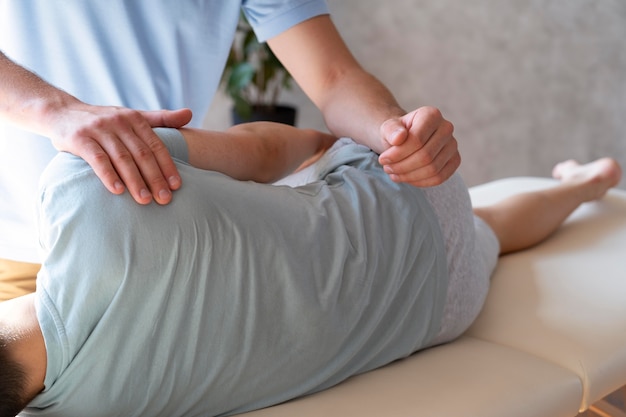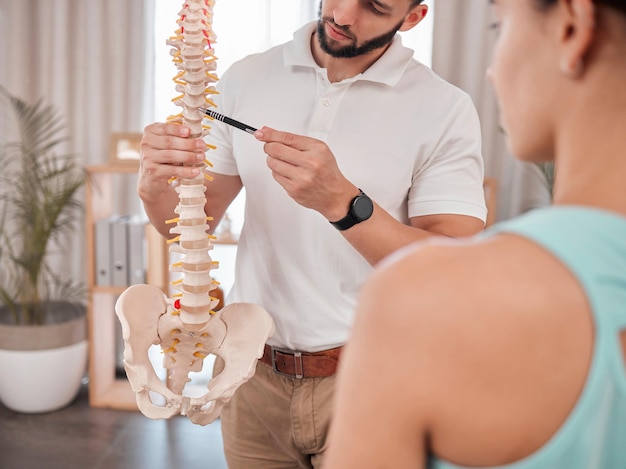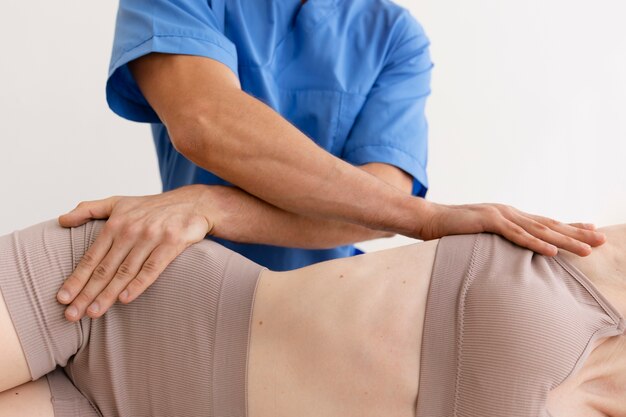


Ageing spinal mobility can change gradually as joints stiffen, spinal discs lose hydration, muscles tighten, and posture habits build up over time. While these changes are common with age, they do not have to mean ongoing back stiffness, reduced flexibility, or loss of independence. With the right movement habits, support, and proactive care, many older adults can maintain strong, comfortable spinal mobility for life.
However, it’s important to understand that many people can maintain excellent spinal mobility and a good quality of life with appropriate care and movement habits.
Good nutrition, proper hydration, and maintaining correct posture are fundamental components for supporting spinal health for older adults. While some changes are a natural part of life, significant pain and loss of movement do not have to be your reality. With a proactive approach, you can support your spine and continue to enjoy an active, fulfilling life. This guide will explore how the spine adapts over time and practical strategies to support your spinal health.
Jump to section
- Key Takeaways
- How Does Ageing Affect Spinal Mobility and Everyday Movement?
- What Are the Biological Mechanisms Behind Ageing Spinal Mobility?
- Recognising the Signs: Common Age-Related Spinal Symptoms and Conditions
- Empowering Movement: Practical Strategies for Maintaining Spinal Health as You Age
- How Can Spinal Care Support Your Ageing Spine in Sydney?
- Proactive Steps: Long-Term Spinal Health and Preventative Care
- A Foundation for Lifelong Movement and Well-being
- Frequently Asked Questions
Key Takeaways
-
Ageing spinal mobility naturally changes, but proactive care can mitigate severe decline.
-
Spinal changes include disc desiccation, bone density loss, and joint stiffening, contributing to spinal degeneration.
-
Gentle, tailored exercises, proper posture, and nutrition are important for maintaining spinal flexibility.
-
Spinal Care offers non-invasive, patient-centred chiropractic solutions for age-related spinal issues in Sydney.
-
Early detection and management of symptoms can prevent progression to chronic pain or immobility, promoting healthy ageing and movement.
How Does Ageing Affect Spinal Mobility and Everyday Movement?
Changes to your spinal mobility are a normal part of the ageing process, influenced by factors like joint wear, disc changes, and muscle stiffness. The spine’s flexibility naturally alters over time due to the dehydration of the intervertebral discs, wear and tear on the facet joints, and a general stiffening of the surrounding muscles and ligaments. These physiological shifts can impact your ease of movement and overall flexibility, often leading to feelings of ageing and back stiffness or stiffness and reduced movement.
It’s important to understand that these changes are a standard part of getting older and do not automatically lead to severe pain or immobility. Many individuals maintain excellent spinal health for older adults and a high quality of life well into their senior years. Through appropriate, proactive care and lifestyle adjustments, you can effectively manage the effects of ageing spinal mobility, helping to preserve your ability to move freely and comfortably in daily life.
What Are the Biological Mechanisms Behind Ageing Spinal Mobility?
The biological mechanisms behind changes in ageing spinal mobility involve specific physiological shifts in the spine’s structure. These changes in the spine happen over time, affecting the intervertebral discs, bones, and the soft tissues that support the spinal column. This gradual process is often referred to as spinal degeneration. The intervertebral discs, which act as cushions between your vertebrae, tend to lose hydration and elasticity, a process detailed in research on age-related changes of the spine’s structural components. This process reduces their ability to absorb shock and can lead to a decrease in spinal height.
Simultaneously, bone density can diminish as you get older, a condition known as osteoporosis, making the vertebrae more fragile — and the effects of ageing on spinal extensor muscle endurance further compound this structural vulnerability. This increases the risk of compression fractures, even from minor incidents. The ligaments and tendons supporting the spine also become stiffer and less pliable, which restricts your flexibility and range of motion. Understanding these underlying processes is the first step toward addressing ageing spinal mobility and adopting habits that support your spine’s long-term health.
Disc Degeneration and Its Impact
Intervertebral discs play a foundational role in your spine’s health, acting as shock absorbers between each vertebra. With age, these discs undergo a process called desiccation, where they lose their water content, becoming less elastic and shorter in height. This loss of cushioning places significantly more pressure on the small facet joints at the back of the spine, contributing to spinal degeneration.
This change in biomechanics, known as vertebral disc degeneration, alters how your spine moves and can make it more susceptible to injury. According to the Australian Institute of Health and Welfare, back problems affect around 4 million Australians, or 1 in 6 people (AIHW). Degenerated discs can sometimes lead to painful conditions like disc herniation, where the soft inner material of the disc pushes out and irritates nearby nerves, or contribute to lower back stiffness with age.
Bone Density Loss and Connective Tissue Stiffness
A decline in bone density is another common aspect of ageing that directly affects the spine. This condition, osteoporosis, makes bones more porous and fragile, particularly affecting women after menopause due to hormonal changes. The vertebrae can become so brittle that minor stresses, like coughing or twisting, can cause painful compression fractures. This loss of bone strength also plays a role in overall spinal degeneration.
At the same time, the connective tissues that support your spine, such as ligaments and tendons, begin to change. They lose their elastin content and the collagen fibres become more cross-linked, resulting in stiffer, less flexible tissues — a phenomenon consistent with findings on understanding the effects of aging on trunk stability and functional mobility. This stiffening is a direct cause of a reduced range of motion in the spine and contributes to the feeling of joint stiffness and reduced flexibility with age that many older adults experience. This combination of factors can make everyday movements feel more challenging and less comfortable.
Recognising the Signs: Common Age-Related Spinal Symptoms and Conditions
Recognising the signs of an ageing spine can help you seek timely care and manage symptoms effectively. Common indicators, often described as ageing spine symptoms, include persistent stiffness, particularly in the morning, a noticeable reduction in flexibility, and changes in your posture. You might find that everyday movements, such as bending down or twisting, become more uncomfortable or challenging. These symptoms can collectively lead to stiffness and reduced movement.
These symptoms are often linked to specific conditions that become more prevalent with age, such as spinal stenosis and osteoarthritis of the spine. These conditions can contribute to chronic pain and functional limitations if left unaddressed. Paying attention to these signs is the first step toward creating a management plan that supports your ageing spinal mobility and preserves your overall quality of life.
Beyond Stiffness: Understanding Spinal Stenosis and Osteoarthritis
Spinal stenosis is a condition where the spinal canal narrows, often due to a combination of bulging discs, thickened ligaments, and bony growths called osteophytes. This narrowing can compress the spinal cord and nerve roots. A common symptom is neurogenic claudication, which causes pain, numbness, or weakness in the legs that worsens with walking but gets better when you sit or lean forward. This can significantly impact your mobility and ability to perform daily activities, contributing to reduced flexibility with age.
Spinal osteoarthritis, also known as spondylosis, involves the breakdown of cartilage in the facet joints of the spine. This degeneration leads to bone-on-bone friction, causing localised pain, inflammation, and stiffness. It frequently affects the lower back and neck, restricting your ability to rotate or bend side to side, and is a major contributor to lower back stiffness with age and discomfort in older adults. Both conditions highlight the importance of understanding ageing spine symptoms for effective management.
Posture Changes and Reduced Everyday Movement
Age-related changes in the spine often lead to noticeable shifts in posture. One common change is the development of kyphosis, an exaggerated forward rounding of the upper back often referred to as a “Dowager’s hump.” This condition results from a combination of weakened back muscles, vertebral changes, and ligament stiffening. These are significant posture changes with ageing that can affect overall spinal health.
These postural shifts can negatively affect your balance, increasing the risk of falls, which is a serious concern for older individuals, as confirmed by studies understanding the effects of aging on whole-body dynamic balance and functional mobility. Everyday movements that you once took for granted, like reaching for something on a high shelf or tying your shoes, can become difficult and uncomfortable, leading to stiffness and reduced movement. Maintaining functional independence often depends on addressing these posture changes with ageing and modifying everyday movement patterns to support the spine.
Empowering Movement: Practical Strategies for Maintaining Spinal Health as You Age
You can take practical steps to maintain your spinal health for older adults and improve mobility as you get older. Regular physical activity is one of the most effective strategies for supporting an ageing spine. Engaging in consistent, low-impact aerobic exercises helps to nourish the spinal discs, maintain cardiovascular health, and improve overall flexibility. Walking, swimming, and cycling are excellent choices for older adults looking for healthy ageing and movement.
In addition to aerobic activity, incorporating strength training is important for building core stability, which supports and protects the spine. Flexibility routines, such as those found in gentle yoga or clinical Pilates, can also significantly reduce stiffness and improve posture, aiding in maintaining spinal flexibility. By adopting a well-rounded movement routine, you can actively combat the effects of ageing spinal mobility and enjoy greater comfort in your daily life.
Why Low-Impact Exercise is Key for an Ageing Spine
Low-impact exercise is fundamental for maintaining an ageing spine because it promotes health without placing excessive strain on your joints or increasing the risk of injury. Movement encourages the production of synovial fluid, which lubricates the joints, and enhances blood circulation, delivering vital nutrients to the spinal discs — particularly important given that age-related differences in the functional demands placed on the lumbar spine increase with walking in older adults. This process is essential for keeping the spine healthy, resilient, and for combating ageing and back stiffness.
Activities like brisk walking, stationary cycling, elliptical training, and aquatic therapy are highly recommended spinal mobility exercises for seniors. Water-based exercises are particularly beneficial, as the buoyancy of the water supports your body weight, reducing compression on the spine while allowing for a greater range of motion. It is always a good idea to include a structured warm-up before exercise and a cool-down afterwards to prepare your body and aid recovery, ensuring that your healthy ageing and movement efforts are safe and effective.
The Role of Strength and Flexibility in Spinal Health
Strength and flexibility are two crucial pillars of a healthy spine, especially as you age. The muscles of your core, including the deep transversus abdominis and multifidus, act as a natural corset, providing stability to your spinal column. Engaging in strength training with light weights, resistance bands, or your own bodyweight helps to fortify these supportive muscles, reducing the burden on your spinal joints and contributing to better posture changes with ageing.
Flexibility routines, such as those offered in gentle yoga or clinical Pilates, help to counteract the natural stiffening of ligaments and improve your spine’s range of motion. These practices are excellent for maintaining spinal flexibility and can alleviate lower back stiffness with age. A study published in the Journal of Orthopaedic & Sports Physical Therapy found that an 8-week Pilates program significantly improved pain and functional ability in individuals with chronic low back pain (Journal of Orthopaedic & Sports Physical Therapy). Always focus on proper form and consider seeking professional guidance before starting a new program, especially when addressing ageing spinal mobility.
How Can Spinal Care Support Your Ageing Spine in Sydney?
At Spinal Care, we provide specialised support for your ageing spine with tailored, gentle chiropractic treatments. We understand the unique needs of older patients, including those with reduced bone density or chronic conditions. Our treatments, which include both manual and instrument-assisted adjustments, are designed to be safe, comfortable, and effective for managing ageing spinal mobility. We are dedicated to promoting healthy ageing and movement throughout Sydney.
Our holistic approach combines advanced diagnostics with patient education to empower you in your pursuit of health. We look beyond the symptoms to address the underlying causes of your discomfort, creating personalised plans that promote lasting spinal health and independence. With clinics conveniently located in Sydney, we are dedicated to helping our community stay active and mobile at every age, addressing concerns like ageing and back stiffness.
Spinal Care’s Holistic and Gentle Chiropractic Solutions
Our treatment philosophy at Spinal Care is built on providing personalised, holistic care that accounts for the specific sensitivities of an ageing body. We develop individualised treatment plans that may include gentle spinal adjustments, soft tissue therapy, and rehabilitation exercises. Our chiropractors are skilled in both manual and low-force instrument-assisted techniques, ensuring your comfort and safety, even if you have conditions like osteoporosis or experience reduced flexibility with age.
We use AI-assisted diagnostic tools to gain a precise understanding of your spinal health, which allows for highly targeted treatments. Our non-invasive, medication-free approach focuses on stimulating your body’s natural healing abilities. You can find our patient-centred clinics conveniently located in Ingleburn and Kogarah Bay, ready to assist with spinal health for older adults and ageing spine symptoms.
Patient-Centred Care for Age-Related Spinal Conditions
We follow a structured 5-Step Treatment Journey to ensure you are an active partner in your recovery. It begins with a comprehensive Bio-Psychosocial Assessment and Precision Diagnostics, followed by a Personalised Treatment Plan. We continuously monitor your progress and provide guidance for long-term maintenance to help you stay healthy and manage ageing spinal mobility.
Our expert team, led by Dr. George Hardas, also offers chronic pain management that incorporates Cognitive Behavioural Therapy (CBT) principles to help manage the neurological aspects of persistent pain. We have extensive experience in elderly care and are committed to making our services accessible through private health funds and Medicare CDM plans where applicable. Our goal is to enhance your healthy ageing and movement capabilities.
Proactive Steps: Long-Term Spinal Health and Preventative Care
Taking proactive steps is key to maintaining long-term spinal health for older adults as you age. This includes focusing on a balanced, anti-inflammatory diet that supports bone and disc health. Key nutrients like calcium, Vitamin D, and Omega-3 fatty acids play a big part in preserving the integrity of your spinal structures and reducing spinal degeneration. Staying well-hydrated is also fundamental for keeping your intervertebral discs plump and effective, helping to prevent ageing and back stiffness.
In addition to nutrition, regular diagnostic screenings are important for early detection of potential issues. DEXA scans to measure bone density and routine physical examinations can help identify problems before they become severe. Additionally, maintaining good ergonomic habits in daily activities, ensuring adequate sleep, and managing stress effectively can significantly support your spinal well-being. Being proactive allows you to manage the effects of ageing spinal mobility and prevent more serious conditions from developing, promoting healthy ageing and movement.
Nutritional Support for Bone and Disc Health
A healthy diet provides the building blocks for a strong and resilient spine. For bone health, it is important to consume adequate calcium, found in dairy products (like milk, yoghurt, cheese) and leafy greens (such as spinach and kale), and Vitamin D, which you can get from safe sun exposure and fortified foods or supplements. These nutrients work together to maintain bone density and reduce fracture risk, crucial for combating spinal degeneration.
An anti-inflammatory diet can also help manage pain associated with spinal conditions. Foods rich in Omega-3 fatty acids, such as salmon, mackerel, chia seeds, and walnuts, and antioxidants from colourful berries, turmeric, and green tea, can help reduce systemic inflammation that contributes to discomfort and lower back stiffness with age. Finally, proper hydration is essential for your intervertebral discs, as they are largely composed of water and need it to maintain their cushioning properties and maintaining spinal flexibility. Aim for at least 8 glasses of water daily.
Preventative Screenings and Recognising Warning Signs
Early detection through preventative screenings is a cornerstone of managing spinal health for older adults over 50. Regular Bone Mineral Density tests, known as DEXA scans, are recommended for older adults, especially post-menopausal women, to screen for osteoporosis and monitor bone density changes that impact ageing spinal mobility. Routine physical and neurological exams with your healthcare provider also help track your spinal health over time and identify early ageing spine symptoms.
It is also important to recognise “red flags” that may indicate a more serious problem. Seek immediate medical attention if you experience sudden changes in bladder or bowel control, severe or progressive weakness in your limbs, or pain that is unrelenting and wakes you from sleep. Consulting a professional for any new or worsening symptoms, such as significant stiffness and reduced movement or persistent ageing and back stiffness, is always the best course of action to ensure timely intervention and optimal outcomes.
A Foundation for Lifelong Movement and Well-being
While changes to your spine are a natural part of ageing, severe pain and immobility do not have to be an inevitable outcome. The process of managing ageing spinal mobility is one that you can actively influence through consistent, positive choices. By embracing proactive steps like gentle exercise, nourishing your body, maintaining good posture, and seeking professional care, you can build a strong foundation for your spine. This approach can significantly improve your maintaining spinal flexibility and overall quality of life.
We encourage you to take control of your spinal health path. Contact Spinal Care today for a personalised assessment and discover how we can help you maintain a foundation for an active and fulfilling life, supporting your healthy ageing and movement goals in Sydney.
Frequently Asked Questions
Question: Is back stiffness an inevitable part of ageing, or can it be prevented?
While some increase in stiffness is natural, significant back stiffness from ageing is often preventable or manageable through regular movement, targeted exercises, and professional chiropractic care. This helps in maintaining spinal flexibility.
Question: What is the most effective type of exercise for “improving mobility in older age”?
A combination of low-impact aerobic activities (walking, swimming), core strengthening, and flexibility exercises (like gentle yoga or Pilates) is most effective for improving mobility in older age. These are excellent spinal mobility exercises for seniors.
Question: How often should older adults have their spinal health checked?
Older adults should have routine spinal health check-ups annually, or more frequently if experiencing pain or reduced mobility, to monitor for spinal degeneration and address issues early. This is key for spinal health for older adults.
Question: Can poor posture accelerate the ageing process of the spine?
Yes, chronic poor posture places asymmetric stress on the spine, accelerating disc and joint wear and contributing to posture changes with ageing and reduced flexibility with age. Maintaining good posture is vital.
Question: Is it too late to start improving my spinal mobility if I’m already experiencing severe stiffness?
It is rarely too late to improve spinal mobility. Gentle, tailored chiropractic care and specific exercises, as offered at Spinal Care, can significantly help manage even severe stiffness and loss of flexibility with age, promoting healthy ageing and movement.