

Most people with tennis elbow do not need surgery or a specialist.
Tennis elbow and golfer’s elbow are overuse tendon problems around the elbow that chiropractors can usually assess and treat safely. At Spinal Care in Sydney, chiropractors provide conservative tennis elbow treatment with gentle adjustments, exercises and ergonomic advice. You generally only need a specialist if there is serious injury, nerve damage or poor progress.
Introduction
Tennis elbow pain can make something as simple as lifting a kettle or typing at work feel exhausting and sharp. When that soreness lingers for weeks, it raises worries about long‑term damage and time off work.
Many people think tennis elbow only affects athletes, or that surgery is the next step if rest has not helped. In reality, most cases respond well to early, non‑surgical care, especially when treatment looks at the whole arm, neck and upper back.
This article explains what tennis elbow and golfer’s elbow are, common tennis elbow symptoms, how they are diagnosed, and what actually causes them in everyday Australian life. You will see how chiropractic treatment for elbow pain at Spinal Care fits with research, what you can do at home, and when scans or specialist input make sense. Keep reading to understand your options and feel more confident about recovery.
Key Takeaways
-
Tennis elbow and golfer’s elbow affect the outer or inner elbow tendons and often feel sore with gripping, lifting or typing. Knowing which side hurts and with which movements helps guide the right treatment plan.
-
Overuse of the forearm is only part of the story for these conditions. Posture, shoulder weakness, spinal stiffness and general health, such as diabetes or smoking history, all change how much stress reaches the elbow tendons.
-
Most people improve with non‑surgical care that focuses on load management, tendon‑strengthening exercises, ergonomic changes and good education. Research from RACGP notes that the vast majority of tennis elbow cases settle without surgery.
-
Gentle chiropractic care at Spinal Care uses low‑force joint adjustments, soft tissue work and targeted rehab to treat both the elbow and contributing spinal problems. This suits elderly patients, veterans, pregnant women, athletes and workers with WorkCover or Medicare CDM support.
-
Simple daily habits, such as warming up before heavy tasks, sharing loads between both arms, setting up a better workstation and keeping shoulder and forearm strength, play a big part in preventing future flare ups.
“For chronic tendon problems like tennis elbow, the combination of patient education, progressive loading and activity modification has the strongest evidence base.” – Adapted from guidance in British Journal of Sports Medicine
What Is Tennis Elbow And Golfer’s Elbow?
Tennis elbow and golfer’s elbow are load‑related tendon problems that cause pain around the bony bumps of the elbow. Both are types of elbow tendinopathy, but they affect different tendons and movements.
Tennis elbow, also called lateral epicondylitis or lateral epicondylalgia, affects the tendons on the outside of the elbow. Golfer’s elbow, or medial epicondylitis, affects tendons on the inside of the elbow near the flexor muscles that bend the wrist and fingers.
According to Mayo Clinic, tennis elbow peaks in people between 30 and 50 years old and is often linked with repetitive gripping. Many Sydney tradies, office workers, carers and parents fit this group even if they have never played tennis or golf.
Tennis Elbow, Golfer’s Elbow And Related Elbow Conditions
Tennis elbow involves tiny overload injuries where the extensor tendons attach to the outer elbow. People usually feel sharp pain when gripping, lifting with the palm facing down or using a mouse for long periods. The ache can spread down the back of the forearm, and objects may feel harder to hold.
Golfer’s elbow involves the flexor tendons on the inner elbow. Pain often appears with wrist flexion, such as picking up a saucepan with the palm up, or turning the palm down firmly, such as using a screwdriver. Many people notice discomfort when hitting golf shots, doing bicep curls or lifting children.
Other conditions can mimic these problems, so accurate diagnosis matters:
-
Elbow bursitis causes a soft, sometimes puffy swelling over the tip of the elbow that gets sore with direct pressure.
-
Radial tunnel or ulnar nerve irritation can trigger tingling, burning or unusual weakness in the forearm and hand.
-
Referred pain from the neck or shoulder is common in people with long‑standing neck stiffness and can feel like tennis elbow even without local tendon damage.
Here is a simple comparison that often helps during assessment at Spinal Care.
| Condition | Main Pain Area | Typical Triggers | Common Extra Features |
|---|---|---|---|
| Tennis elbow | Outside of elbow | Gripping, lifting with palm down, mouse use | Reduced grip strength, forearm ache |
| Golfer’s elbow | Inside of elbow | Lifting with palm up, wrist curls, pronation | Pain with flexing the wrist or fingers |
| Elbow bursitis | Tip of elbow | Leaning on elbow, direct knocks | Visible swelling over the bony tip |
| Nerve irritation | Forearm or fingers | Elbow flexion, prolonged pressure on nerve areas | Tingling, numbness or burning into hand |
| Neck referred pain | Around elbow region | Neck movement, poor posture | Neck or shoulder pain, possible arm weakness |
A chiropractor or GP checks the whole arm and spine to sort out which structure is irritated and whether more than one condition is present.
Key Signs, Symptoms And When To Seek Help
Typical tennis elbow symptoms include:
-
Pain on the outer side of the elbow
-
Tenderness over the small bony bump
-
A sudden jab of pain when pouring a kettle, shaking hands, opening jars or lifting shopping bags with the elbow straight
-
Forearm pain and weakness
-
A sense that grip strength is reduced
Golfer’s elbow pain is usually on the inner elbow. It can flare when gripping with the palm up, doing wrist curls, using tools or hitting golf shots. Both conditions may cause morning stiffness around the elbow or a dull ache after a busy day using the arm.
Some signs suggest you should seek prompt medical review rather than only self‑managing:
-
A clear injury such as a fall with severe pain or deformity
-
An elbow that you cannot move or fully straighten
-
Sudden marked weakness around the elbow or hand
-
Widespread numbness or tingling into multiple fingers
-
Symptoms that seem to follow from the neck rather than just the elbow
-
Hot, red swelling with fever or unexplained weight loss
For straightforward cases, diagnosis is usually clinical and imaging is often not required at first, which is supported by guidance from NHS and detailed treatment overviews such as Tennis elbow and golfer’s elbow management on NCBI Bookshelf.
What Causes Tennis Elbow And Golfer’s Elbow In Everyday Life?
Tennis elbow and golfer’s elbow are load‑related tendon problems, not just simple inflammation. Over time, the tendons have been asked to do more work than they can comfortably recover from.
For many Sydney residents, this overload comes from familiar tasks rather than elite sport. Work, housework, childcare, home renovations and weekend sport all add up.
Research summarised by Journal of Orthopaedic & Sports Physical Therapy notes that repetitive gripping and wrist extension are major risk factors for lateral epicondylitis, with further evidence on training load thresholds explored in studies on the Boundaries of volume and intensity of weightlifting training load. Sudden jumps in training or workload, especially after a quiet spell, also raise the chance of a flare.
Repetitive Load, Sudden Spikes And Daily Habits
Everyday habits often play a bigger role in tennis elbow causes than a single big event. Examples include:
-
Repetitive gripping with the elbow straight, such as using drills, hammers, paint rollers or pruners
-
Office work with long‑term mouse or trackpad use
-
Hospitality and cleaning work, such as tamping coffee or wringing mops
-
Manual work at home, like DIY projects or frequent use of gardening tools
Sudden spikes in activity are another common story:
-
A weekend gardening blitz with pruning and digging
-
Starting a new manual job after months of lighter duties
-
Heading back to the gym and lifting heavy after a long break
-
Ramping up tennis, squash or pickleball without a gradual build‑up
Sustained static holds keep tension through the elbow for long periods, for example:
-
Carrying heavy bags from the shops
-
Pushing prams with straight elbows
-
Leaning on the forearms while using a laptop
-
Standing on a crowded train while hanging onto a rail with one hand
Repeated most days, these patterns can keep the tendon irritated.
How Your Neck, Back And Shoulders Can Drive Elbow Pain
The elbow is part of a chain that starts at the spine and shoulder. When that chain is not working well, the elbow often becomes the weak link.
Several factors commonly seen in Australians with desk‑based or manual roles include:
-
Forward head posture and rounded shoulders, common with long hours at a desk, which shift more work to the forearm muscles every time you reach or type
-
Weak shoulder and shoulder blade muscles, meaning the elbow must control more of the load when you lift, carry or hit a ball
-
Limited mid‑back movement, frequent in people with chronic back pain, which forces extra strain through the arms when twisting or reaching overhead
According to Nielsen Norman Group, poor workstation setup and posture significantly increase muscle activity in the neck and upper limb during computer tasks.
Neck problems can also increase elbow sensitivity. Cervical joints or discs that irritate nerve roots may cause referred pain into the forearm or make local tendon changes feel more painful than they otherwise would. That is why patients at Spinal Care who already have neck stiffness, shoulder tension or long‑standing back issues often notice elbow problems as part of a wider picture.
Systemic factors such as:
-
Age between 35 and 60
-
Diabetes or pre‑diabetes
-
Smoking
-
Low general activity levels or poor sleep
can slow tendon healing and need to be considered in any tennis elbow treatment plan.
How Is Tennis Elbow Diagnosed And When Is It Serious?
Tennis elbow is usually diagnosed with a careful history and physical examination rather than relying straight away on scans. A good assessment asks what hurts, what you do each day, and how your spine and shoulder move.
Knowing when tennis elbow might be something more serious also matters, and recent network meta-analyses such as the Time-dependent comparative efficacy of non-surgical treatments for lateral epicondylitis help clarify when conservative care is sufficient. Clear trauma, major weakness, hot swelling or widespread nerve symptoms may point to fracture, significant tear, infection or nerve compression.
Guidelines from RACGP highlight that a structured examination often gives enough information to start safe, conservative care without immediate imaging.
Clinical Assessment At Spinal Care
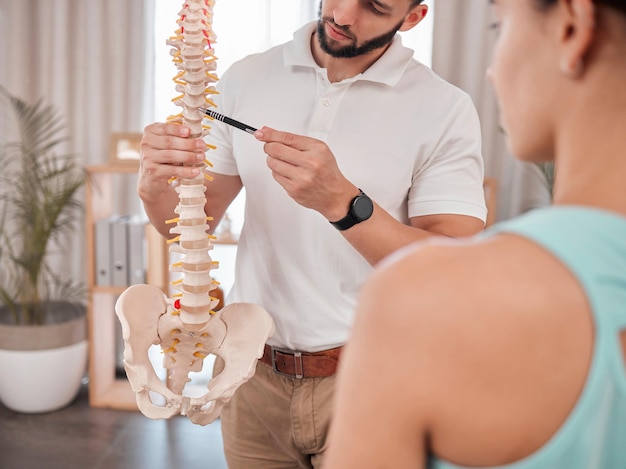
At Spinal Care, the chiropractor begins with a detailed conversation about your elbow pain. They ask:
-
How and when symptoms started
-
Which tasks aggravate or ease them
-
Whether you have had neck, shoulder or upper back problems before
-
What your work, sport and home duties involve
-
How sleep, stress and general health are tracking
The physical examination checks:
-
Tenderness around the outer or inner elbow
-
Movement of the elbow, wrist, shoulder and neck
-
Strength and endurance of the forearm muscles
-
Any sensory changes, such as numbness or tingling
Simple tests, described in everyday language, might involve holding your wrist up against resistance, stretching the wrist while the elbow is straight, or pressing on individual fingers to see which movement provokes pain.
Spinal Care follows a 5‑Step Patient Journey that includes a Bio‑Psychosocial Assessment, orthopaedic and neurological tests, and nerve referral pattern analysis from the neck to the forearm. This helps distinguish pure tendon problems from nerve irritation or referred pain.
Dr George Hardas uses this framework to build an individualised diagnosis, drawing on his research background in pain and cognitive behavioural therapy.
“Tennis elbow is usually a clinical diagnosis, and routine imaging is rarely required at first presentation.” – Royal Australian College of General Practitioners
When Do You Need Scans Or Specialist Review?
Most straightforward tennis elbow and golfer’s elbow cases do not need scans at the start. If your story and examination fit typical tendon overload, your chiropractor or GP will usually recommend a trial of structured conservative care first.
Imaging may be considered if:
-
Pain is severe or worsening despite activity changes
-
There was a clear injury, such as a fall or direct blow
-
Progress remains poor despite several months of good rehab
-
Red flag features such as infection or major nerve signs are suspected
Possible tests include:
-
Ultrasound, which can show tendon thickening or partial tears
-
MRI, which can look for deeper joint, ligament or nerve problems
-
Plain X‑ray, which is more useful when arthritis, previous fractures or joint alignment issues are suspected
If red flags appear, your chiropractor at Spinal Care will liaise with your GP and, where needed, refer you to a sports physician or orthopaedic surgeon, consistent with evidence on Progression to Heavy Loading protocols that guide safe advancement of treatment intensity. Injections or surgery are reserved for a small group of people whose elbow pain has not responded after a thorough non‑surgical program.
How To Treat Tennis Elbow Conservatively (Without Surgery)
Conservative tennis elbow treatment focuses on changing load, strengthening the tendon and improving the way the whole arm and spine move. Rest alone rarely solves the problem, and complete immobilisation can weaken the tendon further.
Most plans combine short‑term pain relief with long‑term tendon conditioning. This includes:
-
Modifying aggravating activities
-
Using targeted tennis elbow exercises
-
Improving ergonomics at work and home
-
In some cases, using braces or taping
A review in British Journal of Sports Medicine supports progressive loading exercises as a key part of tendinopathy management, along with education and activity changes, a finding echoed by research on the Evaluation of Percentage-Based and RPE-based approaches to monitoring load in strength training.
Activity Modification, Exercises And Self‑Care
Early on, reducing or changing painful tasks helps calm symptoms while keeping the arm moving. Helpful strategies include:
-
Switching hands for lifting heavier objects where safe
-
Bending the elbow when pouring or carrying
-
Avoiding gripping tools with the wrist fully extended
-
Keeping objects close to the body and using two hands whenever possible
Gentle movement for the elbow, wrist and shoulder is useful within a comfortable range. A typical progression might involve:
-
Isometric holds – pressing the back of the hand into light resistance without moving the joint, to reduce pain and maintain some strength
-
Eccentric exercises – slowly lowering the wrist against resistance to challenge the tendon in a controlled way
-
Heavier resistance work – using light dumbbells or bands, gradually increasing over weeks as pain allows
Strengthening the shoulder blade and postural muscles is just as important as working the forearm. Exercises for the rotator cuff, mid‑back and core share load better along the chain so the elbow is not carrying more than it should.
Simple flexibility work for the wrist flexors and extensors and gentle mid‑back mobility can help, provided stretches are not forced into sharp pain.
Recovery takes time:
-
Mild tennis elbow may improve in 6 to 12 weeks
-
More established cases can take several months
-
Complex cases, especially with neck or shoulder involvement, may need 6 to 12 months of consistent care
According to Cleveland Clinic, most people improve within a year with conservative care, especially when they avoid boom‑and‑bust patterns of overdoing things followed by long rest.
Braces, Taping And Pain‑Relief Options
Counterforce straps, often called tennis elbow braces, sit just below the elbow and change how force passes through the tendon. Many Australians buy these over the counter and find them handy during long work shifts or sport. Comfort, correct placement and not overtightening are more important than brand, so it is wise to:
-
Place the strap a few centimetres below the sore area
-
Tighten it enough to feel support, but not so much that fingers tingle or the skin marks heavily
-
Use it during heavier tasks rather than all day, unless advised otherwise
Short‑term wrist splints can reduce strain during heavy tasks, and kinesiology or rigid taping may give temporary relief or serve as a reminder to limit certain movements. These approaches support your rehab but do not replace exercises and load management.
For pain relief, options include:
-
Ice after a flare, especially if the elbow feels hot and throbbing after heavy use
-
Heat for more chronic stiffness and associated neck or shoulder tension
-
Over‑the‑counter anti‑inflammatory tablets or topical gels, discussed with a GP, especially if you are older or have heart, kidney or stomach conditions
Injections such as corticosteroid or platelet‑rich plasma are sometimes offered when symptoms persist. Research reported in BMJ shows that steroid injections can give short‑term relief but may lead to poorer long‑term outcomes compared with exercise‑based care alone.
Surgery is usually a last resort after at least 6 to 12 months of well‑structured conservative management.
What Does Chiropractic Treatment For Tennis Elbow Involve At Spinal Care?
Chiropractic care for tennis elbow at Spinal Care focuses on the elbow, wrist and hand, but also on the neck, shoulder and mid‑back, with emerging neuroplastic approaches such as Innovative neuroplastic healing: tendon Neuroplastic Training informing how pain and strength are addressed together. The aim is to improve joint motion, calm irritated tissues and support tendon rehabilitation.
Spinal Care uses gentle, research‑informed methods that suit many groups, including elderly patients, DVA Gold Card veterans, pregnant women, new mothers, compensated workers and active athletes. Care combines hands‑on treatment, education, exercise and ergonomic advice.
According to American Chiropractic Association, conservative chiropractic management can be effective for many musculoskeletal conditions, making it a suitable starting point before invasive procedures.
Gentle, Evidence‑Based Chiropractic Care For Elbow Pain
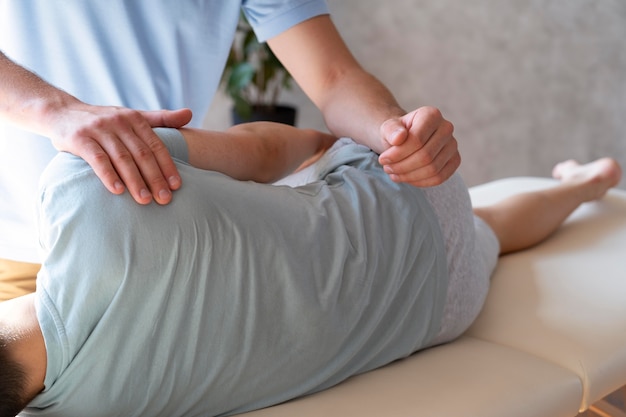
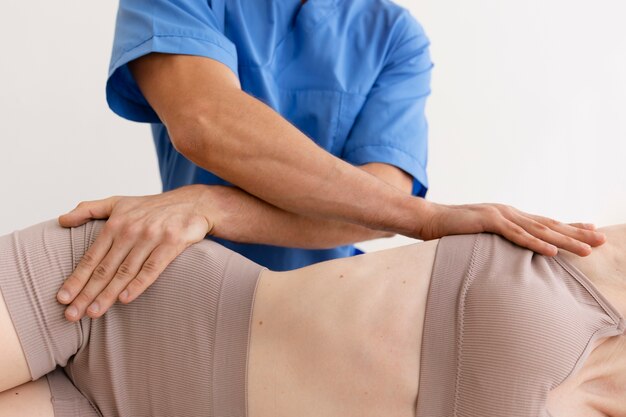
During treatment, the chiropractor may use low‑force mobilisation or adjustments to the elbow, wrist, shoulder and cervical spine. These techniques aim to:
-
Restore more normal joint movement
-
Reduce mechanical stress across the forearm tendons
-
Improve how the whole upper limb and spine share load
Subluxation correction, in chiropractic terms, means correcting subtle joint alignment or movement changes that may be overloading local tissues.
Activator Methods Chiropractic Technique uses a spring‑loaded hand‑held instrument to deliver precise, gentle impulses to specific joints. This suits:
-
Sensitive elbows
-
Anxious patients
-
Older adults with fragile bones
-
Pregnant women who prefer minimal force
At Spinal Care, Activator Methods often form part of a broader plan that also addresses spinal mechanics.
Soft‑tissue therapy targets tight or overactive muscles in the:
-
Forearm
-
Triceps and biceps
-
Shoulder and neck
Techniques may include trigger point pressure, myofascial release and gentle stretching, always within your comfort.
Pain and function are tracked over time using simple tools such as the Numeric Rating Scale and functional questionnaires, so you and your chiropractor can see how symptoms and daily tasks change.
Rehabilitation, Ergonomics And Prevention With Spinal Care
Spinal Care also guides you through a structured rehab program to support lasting tennis elbow recovery. This may include:
-
Specific forearm and grip strengthening exercises
-
Shoulder and scapular control work
-
Mid‑back mobility drills
-
Gradual return‑to‑work or return‑to‑sport plans
Functional movement screens help identify weak links, such as a stiff mid‑back or unstable shoulder that may be driving elbow overload, and emerging evidence on combined treatment strategies — including that reviewed by Frontiers | Efficacy of extracorporeal shock wave therapy for lateral epicondylitis — highlights the value of multimodal rehabilitation approaches.
Ergonomic advice is practical and specific:
-
Office workers receive guidance on mouse shape, keyboard height, monitor position and chair support.
-
Tradies and manual workers discuss tool choice, handle size, vibration control and ways to share or stage heavy tasks.
-
Parents and carers learn safer ways to lift and carry children, set up feeding stations and adjust pram handling to protect both elbows and backs.
Education covers pacing, micro‑breaks, warm‑ups and maintenance exercises that fit your lifestyle. Spinal Care clinics in Kogarah Bay and Ingleburn support Sydney patients under:
-
Medicare Chronic Disease Management plans
-
WorkCover
-
DVA Gold Card arrangements
-
Private health extras
This helps many people access consistent, evidence‑based care without excessive cost.
“Small, consistent changes to load and strength are more powerful for tendons than short bursts of intense treatment.” – Dr George Hardas, Spinal Care
How Can You Prevent Tennis Elbow And Support Long‑Term Recovery?
Preventing tennis elbow and supporting long‑term recovery means building tendon capacity and keeping daily loads at a level your tissues can handle. Once pain settles, some level of ongoing strength and mobility work is usually wise.
Attention to posture, spinal health and early warning signs also matters. The earlier you act on a niggle, the easier it is to calm it before it becomes a long‑standing problem.
Everyday Prevention Strategies At Work, Home And Sport
After symptoms settle, keeping a base level of forearm and shoulder strength is one of the best ways to avoid another flare. Practical ideas include:
-
Light forearm curls and reverse curls with small dumbbells
-
Grip work with soft balls or putty
-
Simple shoulder blade exercises, such as rows and wall slides, two or three times a week
For athletes and heavy manual workers, a more structured maintenance program designed with a chiropractor or physio can be useful.
Warming up before demanding tasks prepares the tendon for load. Spend a couple of minutes on:
-
Gentle wrist circles and elbow bends
-
A few light gripping actions
-
Shoulder rolls and arm swings
When returning to work or sport after a break, build up slowly:
-
Start at 50–70% of your previous load
-
Increase by about 10% per week if symptoms are mild
-
Drop back slightly if pain lingers for more than 24 hours
Work habits have a major impact:
-
Tradies can choose tools with larger, padded handles, plan task rotation, and use mechanical aids or shared lifting when possible.
-
Office workers should keep the mouse close to the body, rest forearms on the desk or armrests, use a light grip and take short movement breaks every 30 to 45 minutes.
At home:
-
Alternate arms for carrying children and shopping bags
-
Use prams or carriers sensibly rather than lifting awkwardly
-
Set up feeding or home‑office stations with good back and elbow support
In sport:
-
Check racquet grip size, string tension, technique and training volume with a coach
-
Add general strength training to support the shoulders and trunk
Good posture and spinal mobility reduce the need for the elbow to compensate, which is why periodic check ups at Spinal Care can be helpful for people with ongoing neck or back issues. Listening to early warning signs and restarting your rehab exercises promptly when soreness appears helps stop small problems from growing.
In Summary
Tennis elbow and golfer’s elbow are common overuse tendon conditions that affect many Australians, not just tennis players or golfers. They often show up in tradies, office workers, carers, parents and older adults who repeatedly grip, lift or type with less than ideal posture or spinal movement.
Most people do very well with early, conservative care that combines:
-
Activity modification
-
Graded strengthening exercises
-
Ergonomic tweaks at work and home
-
Clear education about pain and healing
According to NHS, symptoms often settle within months when these steps are followed, and only a small minority of people need injections or surgery.
Spinal Care offers an evidence‑based, whole‑spine approach to tennis elbow treatment in Sydney. By addressing the elbow, shoulder and spine together, and by considering pain science, stress, sleep and work demands, Dr George Hardas and the team help patients move towards lasting relief. With access options such as Medicare CDM, WorkCover and DVA Gold Card support, many people can receive this care in a practical, accessible way.
Ready to Get Started?
If tennis elbow is affecting your work, sport or everyday activities, Book an Appointment with Spinal Care for a comprehensive assessment and personalised treatment plan.
Learn More about our evidence-based chiropractic care, rehabilitation programs and non-surgical treatment options for tennis elbow and golfer’s elbow.
Have questions before booking? Contact Us Today to discuss your symptoms, Medicare CDM eligibility, WorkCover, DVA or private health funding options.
Don’t let persistent elbow pain limit your lifestyle. Book Online Now and take the first step towards lasting pain relief and improved function.
Frequently Asked Questions
Question: What Is The Fastest Way To Relieve Tennis Elbow Pain?
The fastest short‑term relief usually comes from reducing aggravating tasks, using ice after flare ups and trying gentle isometric holds. A counterforce strap can help during heavier work, provided it fits comfortably and is not too tight. Seeing a chiropractor or GP early helps you start a structured plan and avoid the problem becoming long standing.
Question: How Long Does Tennis Elbow Take To Heal With Conservative Treatment?
Mild tennis elbow often settles within 6 to 12 weeks with good load management and exercises, while moderate cases can take several months. Long‑standing or complex cases, especially with neck or shoulder issues, may need 6 to 12 months. Consistent rehab, ergonomic changes and supportive chiropractic care at Spinal Care tend to speed progress.
Question: Is Chiropractic Good For Tennis Elbow And Golfer’s Elbow?
Yes, gentle chiropractic care can be very helpful for both tennis elbow and golfer’s elbow. It improves joint mechanics in the elbow, wrist, shoulder and spine, addresses nerve referral and postural factors, and works alongside targeted exercises. At Spinal Care, low‑force techniques such as Activator Methods and soft‑tissue therapy are used to suit each patient.
Question: Do I Need A Tennis Elbow Brace, And Which One Should I Buy In Australia?
Many people find a counterforce strap helpful as a support, but it is an adjunct rather than a cure. Choose a brace that feels comfortable, is adjustable and sits a few centimetres below the sore area without cutting off circulation. A clinician can show you the right position and advise how long to wear it for different tasks.
Question: Can I Keep Working Or Playing Sport If I Have Tennis Elbow?
Most people can keep working or playing sport with sensible load changes rather than stopping completely. Avoid heavy, repetitive gripping or high‑force strokes during an acute flare, and focus on technique and pacing. Spinal Care often designs graded return‑to‑work and return‑to‑play plans so workers and athletes can stay active while healing.
Question: When Should I Consider Injections Or Surgery For Tennis Elbow?
Injections or surgery are usually reserved for severe, persistent cases that have not improved after months of structured conservative care. Steroid injections may help pain in the short term but can give poorer long‑term results, while platelet‑rich plasma has mixed evidence. Surgery is a last step, and most people do not need it when guided by evidence‑based, non‑surgical management.