


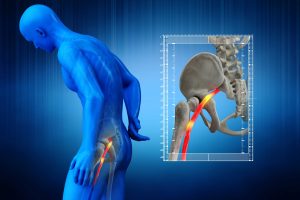
Sciatica Activator Methods represents a popular and gentle chiropractic technique that provides a non-surgical alternative for individuals suffering from pain, especially those with Piriformis Syndrome. This gentle approach is a topic of significant interest for those seeking effective relief…
Sciatica, characterized by pain radiating from the lower back down the leg, is often caused by nerve compression from disc issues or muscle tightness, such as Piriformis Syndrome. This article explores the precise workings of the Activator technique, reviews effective non-surgical alternatives, and examines the latest research on surgical outcomes.
🔬 How Activator Methods Works: The Low-Force Difference
The Activator Methods technique is a highly systematic and precise way to locate and correct spinal issues that contribute to nerve irritation. Unlike traditional manual manipulation, this technique relies on a small, hand-held device called the Activator Adjusting Instrument. This instrument delivers a controlled, gentle force at a speed faster than the muscles can react, preventing the body from tensing up.
The practitioner uses a specific process called leg-length analysis to identify restricted or misaligned spinal segments. By observing how the leg length changes when the patient moves their head or limbs, the practitioner can pinpoint the exact vertebrae or pelvic joint causing the sciatic nerve pressure. The instrument then delivers a fast, low-force impulse to the precise point of the joint restriction. This precision is key: it addresses the root cause of the irritation (e.g., a restricted sacroiliac joint or lumbar facet joint) without needing to twist or rotate the patient’s spine, making it extremely comfortable and safe, especially for acute sciatic flare-ups.
⚕️ In-Depth Non-Surgical Sciatica Alternatives
For many individuals, surgery is an unnecessary or undesirable step. Effective conservative treatments focus on reducing inflammation and decompressing the sciatic nerve. These alternatives should always be prioritized, as supported by the latest research on surgical outcomes:
-
Targeted Physiotherapy: Physiotherapists often use Nerve Gliding Exercises (or nerve flossing) to gently mobilize the sciatic nerve, reducing tension and promoting healing. They also prescribe core and hip-strengthening exercises to stabilize the lumbar spine and prevent recurrence.
-
Epidural Steroid Injections (ESIs): This medical intervention involves injecting a corticosteroid medication near the irritated nerve root. The goal is to drastically reduce inflammation and provide a window of pain relief, allowing the patient to engage in physical therapy more effectively. While effective for short-term pain control, ESIs do not fix the mechanical cause of the irritation.
-
Clinical Massage and Soft Tissue Therapy: For cases where sciatica is caused by Piriformis Syndrome, deep tissue work focused on the gluteal and piriformis muscles is critical. Releasing tension in the piriformis muscle prevents it from spasming and compressing the sciatic nerve as it passes through the buttock region.
📝 Surgery vs. Non-Surgical Care: What the Latest Research Says
The Promise vs. The Reality of Sciatica Surgery
Sciatica, the pain that radiates from the lower back down the path of the sciatic nerve, can be debilitating. When non-surgical treatments don’t provide relief, surgery—specifically a discectomy—is often recommended as the next step.
However, a new analysis led by the University of Sydney, Sydney Musculoskeletal Health, and published in the BMJ journal, casts doubt on the long-term effectiveness of this procedure. This study found that while surgery may offer better and more rapid short-term relief (up to 12 months) compared to non-surgical options, the benefits largely diminished beyond the one-year mark. This finding strongly supports prioritizing gentle, conservative treatments like Activator Methods for Sciatica.
🏥 Our Conservative Approach to Sciatica Treatment at SpinalCare.com.au
This new research reaffirms the value of our patient-centered, non-surgical approach to managing sciatica. Since the majority of people recover without surgery and the long-term benefits of an operation are questionable, focusing on conservative, evidence-based care should always be the priority. This is why many of our patients choose Activator Methods for Sciatica relief, valuing the gentle yet effective nature of the technique.
Our Treatment Philosophy
We focus on helping you find lasting relief by addressing the root causes of your sciatic nerve irritation through a customised, multi-faceted treatment plan.
The Benefit of Conservative Care
By choosing non-surgical treatment first, you are opting for a path that aligns with the evidence:
-
Lower Risk: You avoid the potential risks and complications associated with surgery.
-
Sustainable Relief: Our goal is to promote the natural healing process and equip you with the tools for long-term health, not just a temporary fix.
Choosing a conservative path with an option like Activator Methods for Sciatica provides a high-value, evidence-based strategy.