

What Can I Do for Osteoarthritis Pain?
Osteoarthritis is a common condition that causes joint pain, stiffness, and inflammation due to the breakdown of cartilage in the joints. While there is no cure for osteoarthritis, several treatment strategies can help manage the pain and improve mobility. Here are some ways to alleviate osteoarthritis pain:
1. Stay Active with Low-Impact Exercise
Regular exercise helps maintain joint function and reduce pain. Focus on low-impact activities such as:
- Walking
- Swimming
- Cycling
- Yoga These activities can strengthen muscles around the joints, improving flexibility and reducing stiffness.
2. Weight Management
Maintaining a healthy weight is crucial for reducing stress on weight-bearing joints like the knees, hips, and lower back. Even a small weight loss can significantly decrease osteoarthritis pain by reducing the load on the joints.
3. Chiropractic Care
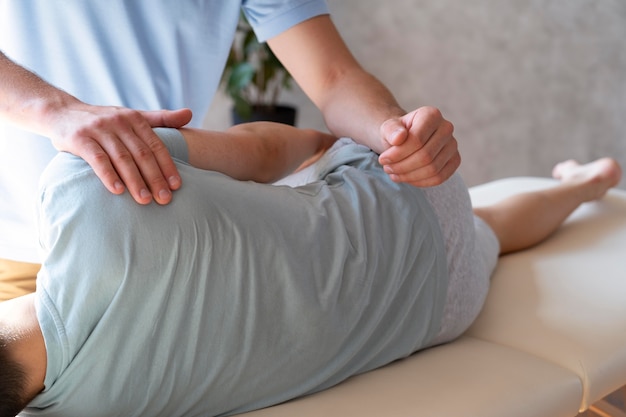
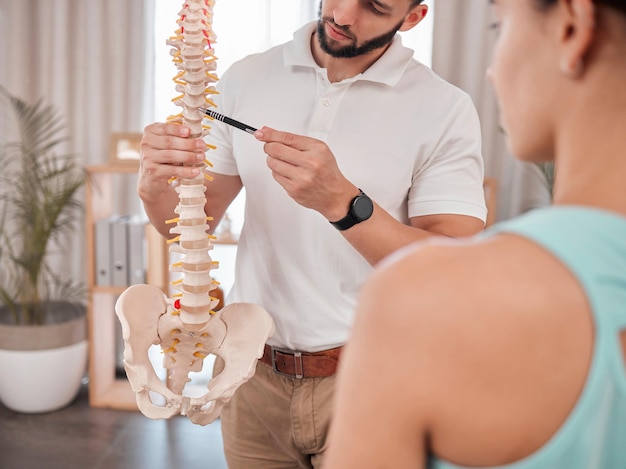
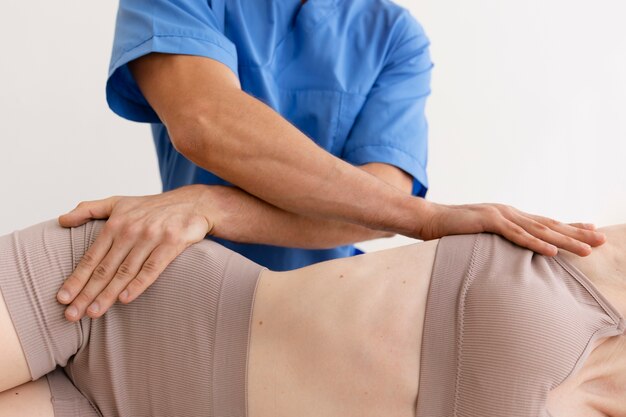
Chiropractic care can help relieve osteoarthritis pain by improving joint mobility and alignment. Gentle spinal adjustments and soft tissue therapy may reduce inflammation and increase the range of motion in affected joints.
4. Physical Therapy
A physical therapist can design a personalised exercise program to help strengthen the muscles around the joints, improve flexibility, and reduce pain. They may also recommend techniques like heat or cold therapy to relieve inflammation.
5. Medication
Over-the-counter medications like acetaminophen or nonsteroidal anti-inflammatory drugs (NSAIDs), such as ibuprofen, can help manage pain and reduce inflammation. In some cases, your doctor may prescribe stronger medications or recommend topical pain relievers.
6. Dietary Supplements
Some people find relief from osteoarthritis pain through dietary supplements, such as:
- Glucosamine and chondroitin: These may help protect cartilage and reduce pain in some patients.
- Omega-3 fatty acids: Found in fish oil, these have anti-inflammatory properties that may reduce joint pain.
- Turmeric (curcumin): A natural anti-inflammatory, turmeric can help reduce arthritis pain.
7. Heat and Cold Therapy
Applying heat can help relax muscles and improve circulation, while cold therapy can reduce swelling and numb deep pain. Use:
- Heat packs for stiffness and to loosen tight muscles.
- Ice packs to relieve acute pain and inflammation.
8. Assistive Devices
Using devices such as braces, orthotic inserts, or canes can help reduce pressure on affected joints and improve mobility. These tools can make everyday activities easier and less painful.
9. Injections
If pain persists, your doctor may recommend corticosteroid or hyaluronic acid injections into the joint. These treatments can help reduce inflammation and provide temporary relief from osteoarthritis pain.
10. Mind-Body Practices
Mindfulness, meditation, and deep breathing exercises can help manage the emotional aspects of chronic pain. Techniques like tai chi and yoga can help improve joint flexibility and promote relaxation.
Conclusion
While osteoarthritis pain cannot be completely cured, a combination of lifestyle changes, medications, and therapeutic treatments can help manage the pain and improve quality of life. Consulting with healthcare professionals, such as chiropractors, physical therapists, or doctors, can guide you in finding the best combination of treatments to suit your individual needs.